You can build a credible small-business brand in 2027 for a few hundred dollars or less, in about a week. The order matters more than the budget:
- Choose a name you can own. Check the domain, the company register and the trademark register before you fall in love with it.
- Make a simple logo that works in one colour and at the size of an app icon.
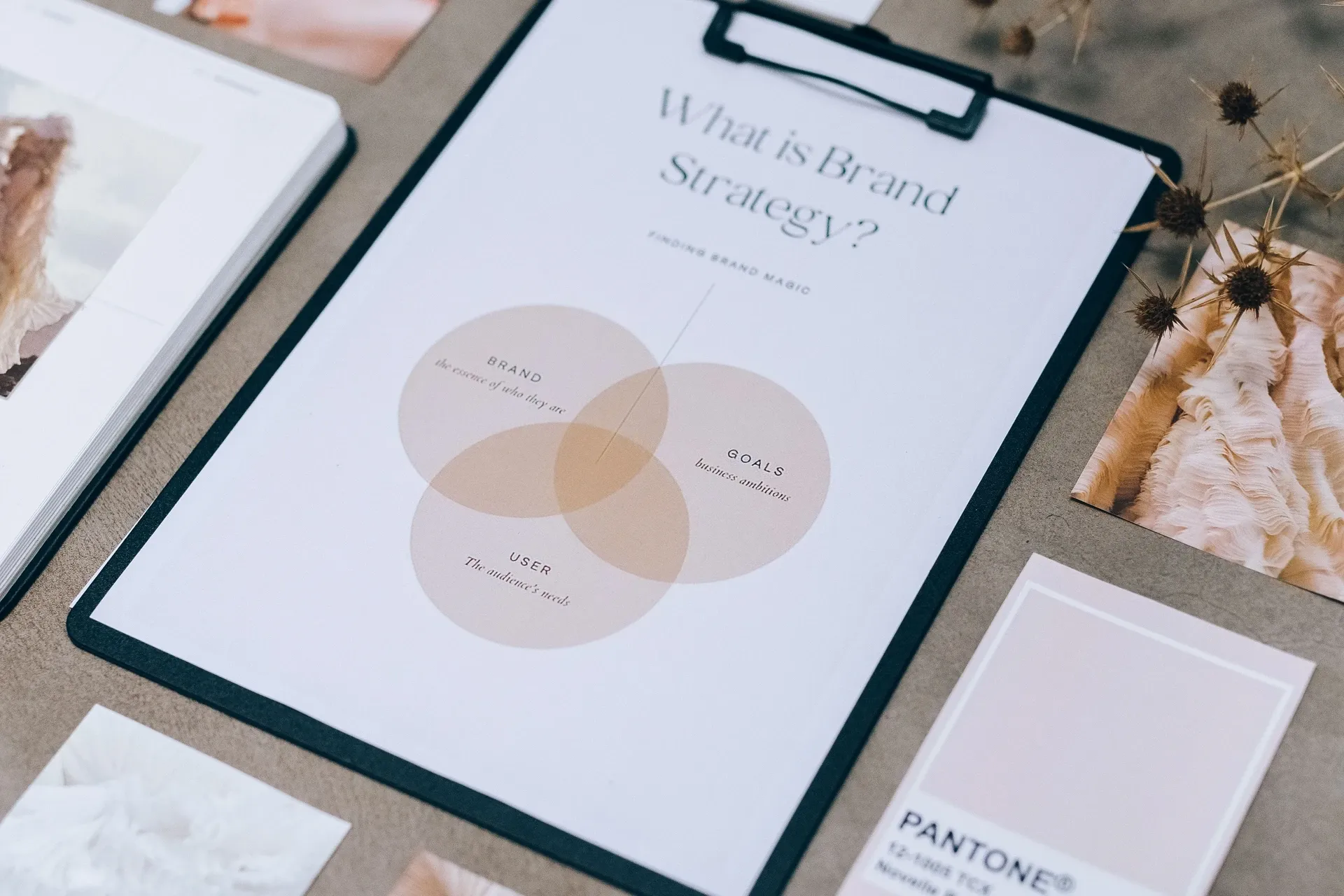
- Set three rules: your colours, your fonts and how you sound.
- Use them the same way everywhere, from your website to your invoices.
The expensive mistake isn’t an ugly logo. It’s a name someone else already owns, which can force a rebrand after you’ve paid for signage, packaging and a website. A trademark search costs nothing.
Published 16 November 2026. Trademark fees checked on each registry’s official page that day.
Logo work starts with many rough options to react to, whichever route you take.
What does a small business brand need?
Less than agencies sometimes suggest. A brand that works has six parts:
| Part | What it is | Minimum version |
|---|---|---|
| Name | What people call you and search for | One you can register and get the domain for |
| One-line description | What you do, for whom | “Handmade leather bags, made in Jaipur” |
| Logo | The mark people recognise | A wordmark (your name in a chosen typeface) is enough |
| Colours | The two or three colours you always use | One main colour, one accent, plus black and white |
| Typefaces | The fonts on your website and print | One for headings, one for text, or the same for both |
| Voice | How you write | Three words, such as “plain, warm, expert” |
The one-line description is the part most small businesses skip, and it matters more now. Search engines and AI assistants decide what a business is from how it’s described across its website, its Google Business Profile and other sites. Using the same sentence everywhere makes it easier for them to recommend you for the right thing.
How do you check a business name is available?
Run four checks before you decide, all free:
- Trademark register. Search for the name and close variations in your country:
- US: USPTO Trademark Search
- India: IP India public search
- UK: the UK Intellectual Property Office’s trade mark search
- Company register. In the UK, use the Companies House name checker. In the US, search the business register of the state where you’ll form the company. In India, check the Ministry of Corporate Affairs name search.
- Domain. Check the .com and your country’s domain (.in, .co.uk).
- Social handles on the platforms you’ll use.
A name that’s taken as a company name in another industry may still be usable. A name that’s a registered trademark in your industry isn’t. If you’re unsure, a trademark attorney’s clearance search costs far less than a forced rebrand.
How much does it cost to trademark a business name?
Official filing fees for one class of goods or services, as published by each registry:
| Registry | Filing fee | Notes |
|---|---|---|
| United States (USPTO) | $350 per class, filed online | In force since 18 January 2025. Surcharges of $100 to $200 if the application is incomplete or uses free-form descriptions (USPTO) |
| United Kingdom (UK IPO) | £205 for one class online, plus £60 per extra class | A “Right Start” option lets you pay £125 up front and the rest later (GOV.UK) |
| European Union (EUIPO) | €850 for one class online | €50 for the second class, €150 for each class after that. Covers all EU countries |
| India | ₹4,500 per class, e-filed, for individuals, startups and small enterprises | ₹9,000 for other applicants (IP India) |
These are government fees only. An attorney or filing service adds their own charge. A small business usually needs only one or two classes to start. Register the name first: it protects you in any typeface or logo, while a logo registration protects only that design.
How do you design a logo on a small budget?
Five routes, from free to custom:
| Route | Typical cost | Good for |
|---|---|---|
| Free logo makers | $0 | Testing an idea before you spend |
| AI logo and design tools | A one-off fee or a monthly subscription | Fast options to react to |
| Design contests | $249 to $1,050 on 99designs (99designs) | Many concepts from many designers |
| A freelance designer | Varies widely by region and experience | A considered logo and basic guidelines |
| A branding studio | Higher, quoted per project | A full identity: name, logo, colours, type, voice, templates |
The free tools have changed. Shopify’s Hatchful now redirects to Shopify’s free logo maker. Wix’s logo maker is now called Wixel, with a free plan and AI credits (Wix). Canva has logo templates on its free plan.
What to brief, whichever route you take: your one-line description, three words for how you want to come across, two or three brands whose style you like (in any industry), where the logo will appear most, and anything to avoid.
Can you use an AI-generated logo for your business?
Yes, but you may not own it the way you’d expect.
In January 2025, the US Copyright Office concluded that prompts alone don’t give a person enough control to count as the author of what an AI produces. Work generated purely from prompts isn’t protected by copyright. A person’s own creative contribution, such as redrawing, arranging or substantially editing the output, can be (US Copyright Office).
Trademark law works differently. A trademark protects a name or mark as an identifier of your business in trade, not as a piece of art. A distinctive logo that doesn’t clash with an existing mark can still be registered as a trademark whether or not AI helped make it. Ask a trademark attorney for your specific case.
Three practical rules for AI logos:
- Read the tool’s terms to see who owns the output and whether you can use it commercially.
- Search the result against the trademark register, because AI can reproduce marks that already exist.
- Have a designer refine it, which adds human authorship and usually improves it.
What makes a good small business logo?
- Simple enough to draw from memory. Complex logos turn to mush at small sizes.
- Works in one colour, for stamps, embroidery, receipts and dark backgrounds.
- Readable at 32 pixels, the size of a browser tab icon.
- Not tied to a trend you’ll want to drop in two years.
- Distinct from competitors. Look at the top ten in your industry and avoid their colours and shapes.
A wordmark, meaning your name set well in a chosen typeface, is often the strongest choice for a new business. It teaches people the name, which a symbol alone can’t do.
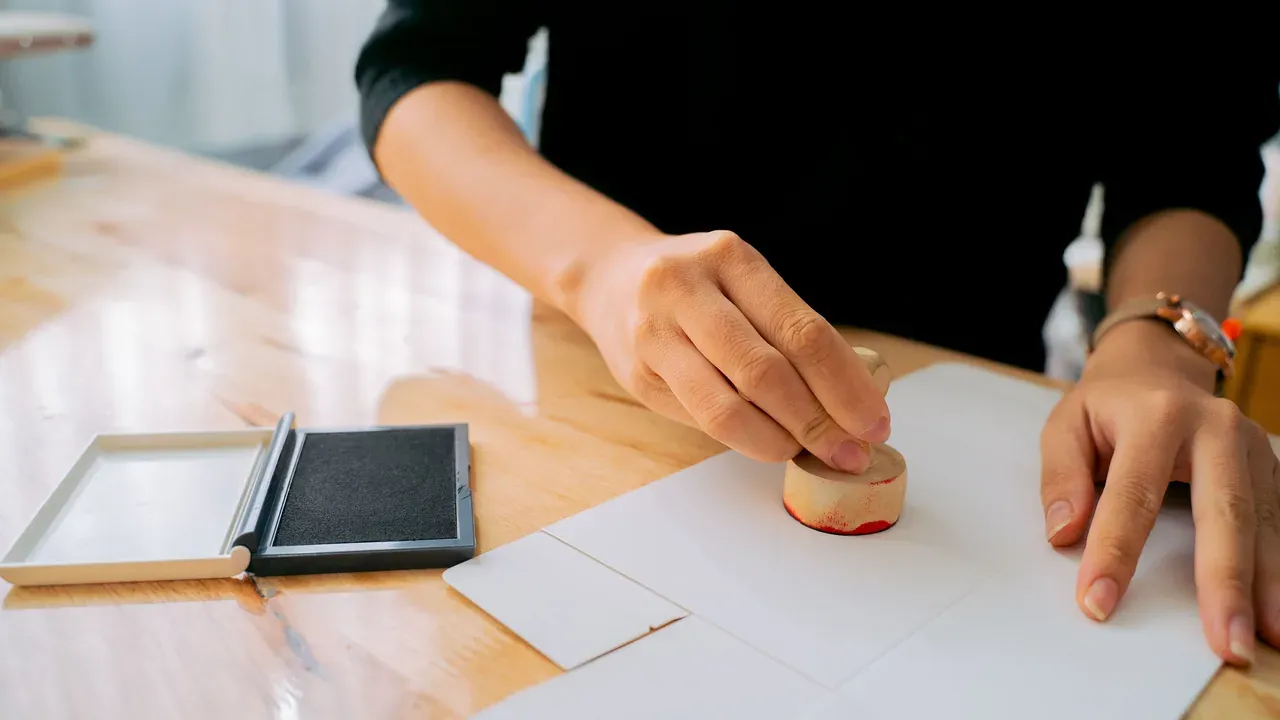
A rubber stamp prints in one colour, which is why a logo has to work without its full palette.
How do you choose brand colours that work on a website?
Pick colours that pass accessibility rules, not just ones you like. Under WCAG 2.2, the web accessibility standard, normal text needs a contrast ratio of at least 4.5:1 with its background, and large text at least 3:1 (W3C).
Logos are exempt from that rule. Your brand colours aren’t, once you use them for text and buttons. A pale brand colour may look good in a logo but be unreadable as a button label. Choose a darker shade of the same colour for text and buttons, and test it with a free contrast checker before you build the website.
Which logo files do you need?
Ask for these from any designer or tool:
- SVG, a vector file, for the website and for printing at any size.
- PNG with a transparent background, in full colour, black and white.
- A square version for social media profiles and app icons.
- A favicon, the small icon shown in browser tabs.
- A one-colour version for embroidery, stamps and engraving.
Keep the original editable files too. You’ll need them the first time something has to change.
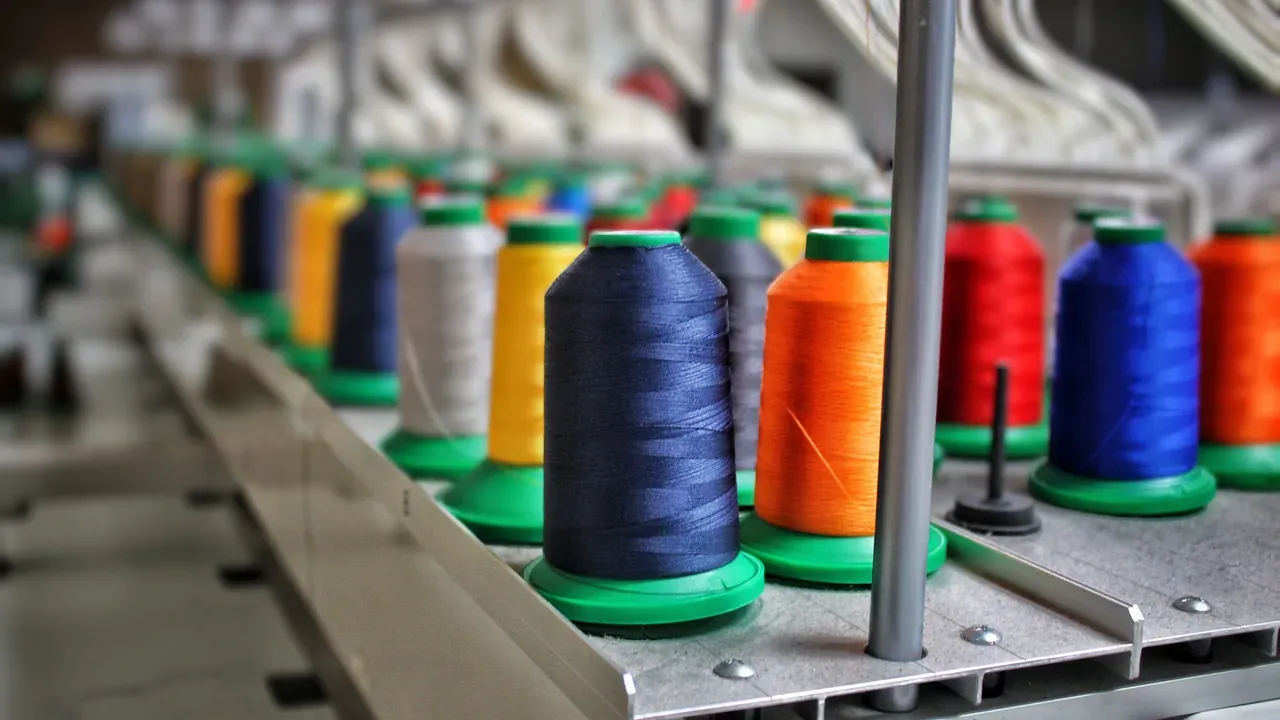
Embroidery is one of the places a one-colour version of your logo gets used.
Does brand consistency actually increase sales?
Probably, but treat the famous numbers with care. The often-quoted claims that consistent branding raises revenue by 23% or 33% come from vendor surveys in which companies estimated their own gains (Lucidpress, 2019). They weren’t measured.
The stronger argument is practical. Customers remember what they see repeatedly, and search engines and AI assistants match your business more reliably when your name, description and details are the same everywhere. Inconsistency wastes the recognition you’ve already paid for.
A one-week brand sprint
- Day 1: write your one-line description and choose three words for your voice.
- Day 2: list five name options and run the trademark, company, domain and social checks on each.
- Day 3: pick the name, buy the domain and claim the social handles.
- Day 4: generate logo directions with a free tool or a brief to a designer, then choose one.
- Day 5: pick your colours and fonts, and check text contrast.
- Day 6: collect the logo files and write a one-page guide: logo use, colours, fonts and voice.
- Day 7: apply it to your website, Google Business Profile, social profiles, email signature and invoices. Then file the trademark.
Our guide to starting an online business covers what comes after the brand. Our website builders guide helps you choose where to build the site.
Getting help
If you’d rather have it done properly the first time, our branding and design service covers naming, logo, colours, type and guidelines, at fixed prices. Or book a free 30-minute call and we’ll look at what you have.
FAQs
How do I design a logo for free?
Use a free logo maker, such as Shopify’s logo maker, Wix’s Wixel or Canva’s free templates, to try ideas quickly. Choose something simple that works in one colour and at a small size. Before using it, search the trademark register to make sure it doesn’t resemble an existing mark.
Can I use an AI-generated logo for my business?
Yes, if the tool’s terms allow commercial use. In the US, a logo generated only from prompts isn’t protected by copyright, according to the US Copyright Office’s January 2025 report, but a distinctive logo can still be registered as a trademark. Having a designer refine it adds human authorship.
How much does it cost to trademark a business name?
Government filing fees for one class are $350 in the US, £205 in the UK, €850 for the whole EU, and ₹4,500 in India for individuals, startups and small enterprises (₹9,000 for others). Attorney or filing-service fees are extra.
How do I check if a business name is already taken?
Search the trademark register (USPTO in the US, IP India, or the UK IPO), the company register (such as Companies House in the UK), domain availability and social media handles. A name registered as a trademark in your industry is the one to avoid.
Should I trademark my business name or my logo first?
Usually the name. A word mark protects the name however it’s written or styled, while a logo registration protects only that specific design. Many businesses register the name first and the logo once it’s settled.
How much should a small business spend on branding?
Enough to get a name you can own and a clean, usable logo, which can cost little or nothing with free tools and a trademark filing. Spend more on a designer or studio once the business is proven and the brand will appear on packaging, signage or a larger website.
What file formats do I need for my logo?
An SVG vector file for the web and print, PNG files with transparent backgrounds in colour, black and white, a square version for social profiles, a favicon for browser tabs, and a one-colour version for embroidery or stamps.
Written by Vibhora
Shopify development, branding, custom apps, SEO, paid ads and store care for small and growing brands - one team, fixed published prices.