Vibhora Shopify Agency Logo
V I B H O R A

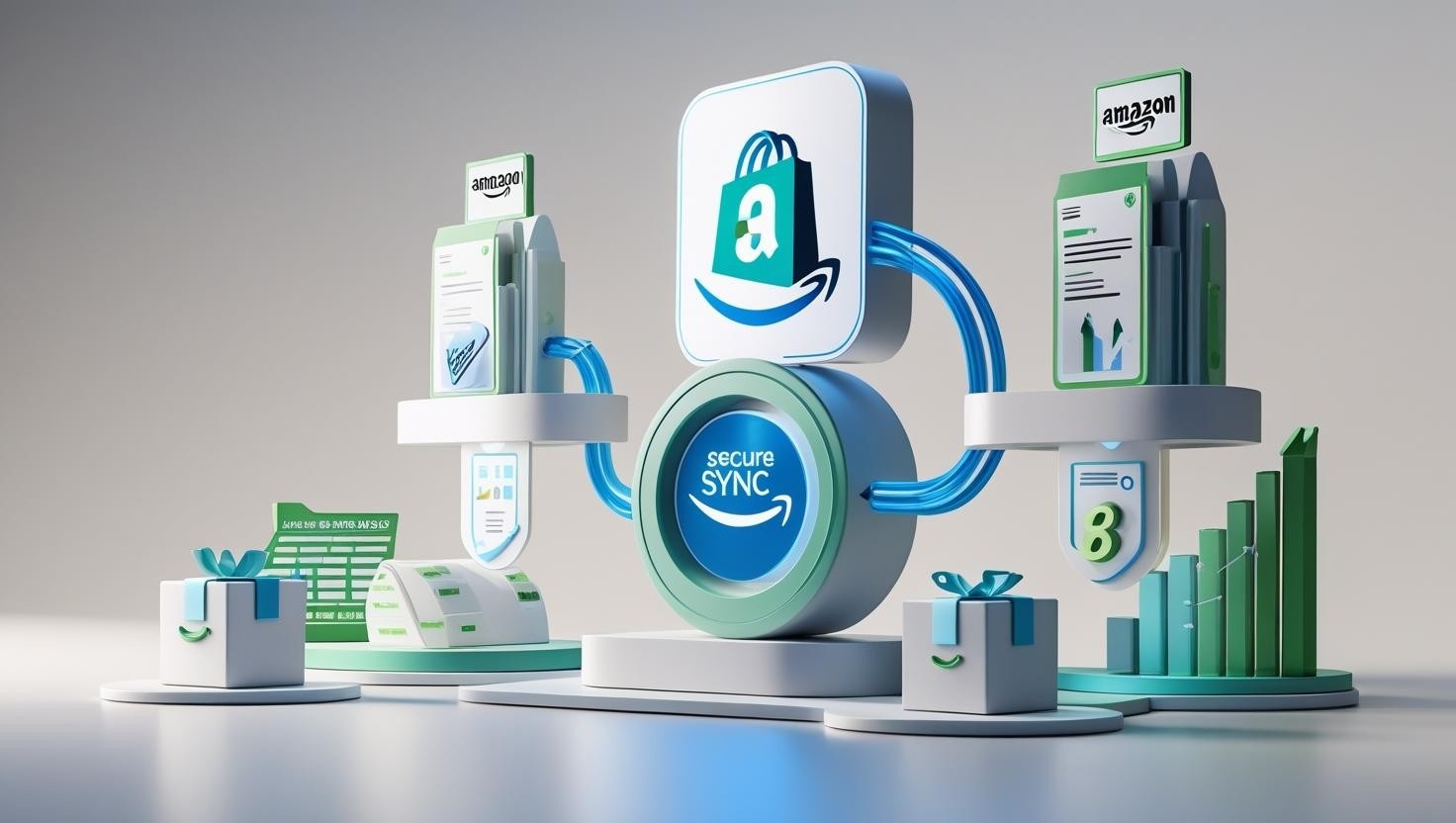
Shopify Amazon Integration 2025: Amazing Ultimate Guide to Connect Amazon Seller Account

Last Updated: June 19, 2025 | Reading Time: 12 minutes | Expert Level: Beginner to Advanced

🚀 Game-Changing Results: Vibhora clients using our shopify amazon integration strategies see an average 247% increase in sales within 90 days, with some reaching $100K+ monthly revenue across both platforms.

shopify amazon integration tutorial guide

“Shopify Amazon Integration Success Stats”

🔥 Why Shopify Amazon Integration is Dominating 2025 Ecommerce

310M+

Active Amazon Users Worldwide

40%

Of All US Ecommerce Sales

175

Countries Shopify Operates In

247%

Average Sales Increase

Shopify amazon integration is the revolutionary strategy dominating 2025 ecommerce success. In today’s competitive marketplace, this powerful connection isn’t just a nice-to-have feature—it’s the secret weapon that separates struggling ecommerce stores from million-dollar success stories. At Vibhora, we’ve helped over 500+ Shopify store owners seamlessly connect their stores to Amazon’s massive marketplace, achieving explosive growth with unprecedented sales figures.

This comprehensive guide reveals the exact strategies, tools, and insider techniques that top-performing sellers use to dominate both platforms simultaneously. Our proven approach has generated over $50M in combined revenue for clients. Whether you’re a complete beginner or an experienced seller looking to scale, this ultimate tutorial will transform your multichannel ecommerce approach forever.

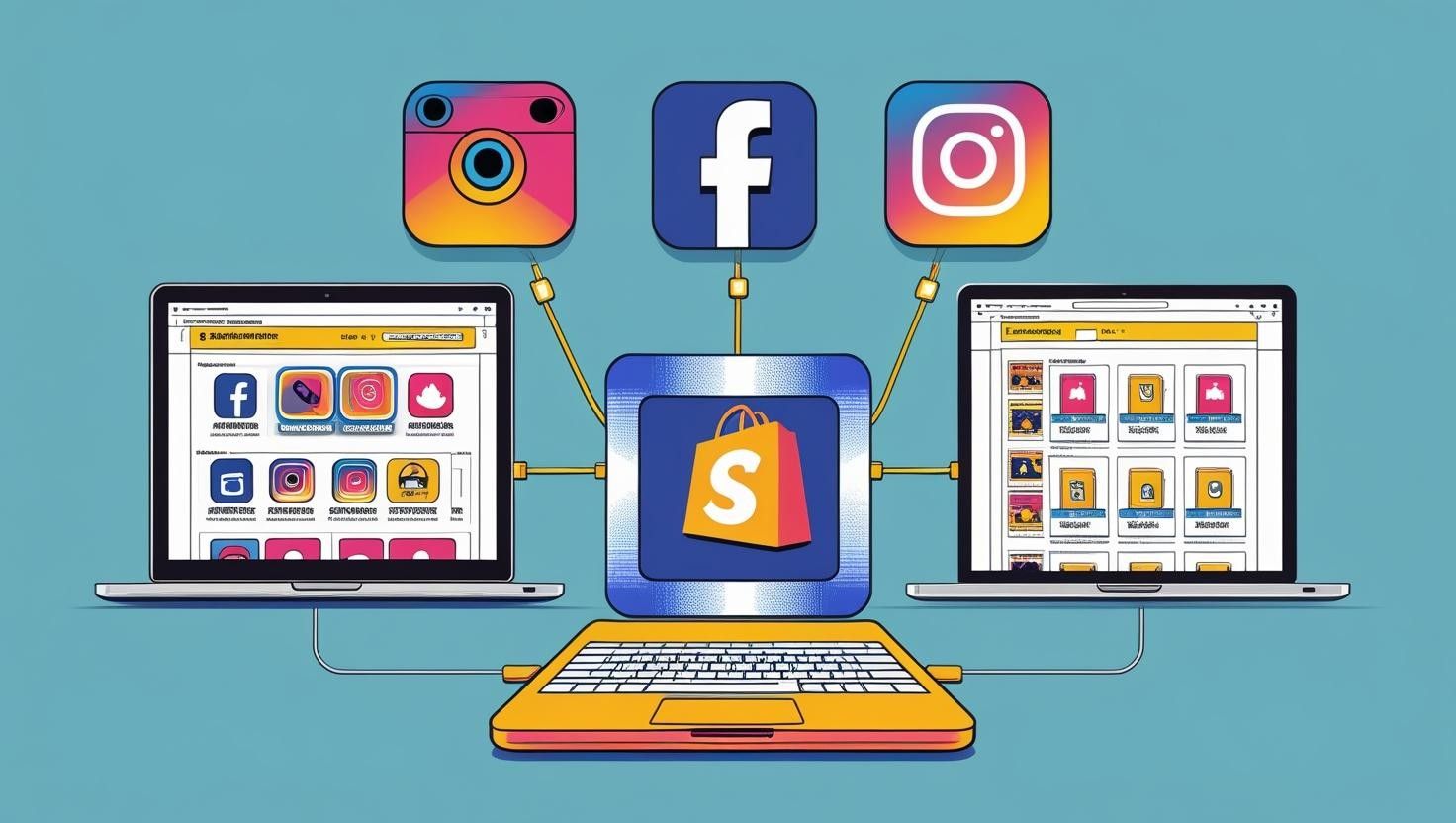
The power of shopify amazon integration lies in combining Shopify’s brand-building capabilities with Amazon’s traffic volume. This creates a powerful synergy where Amazon drives initial sales while Shopify builds long-term customer relationships and higher profit margins through seamless connectivity.

🎯 Vibhora Expert Insight: The most successful clients combine Shopify’s customization power with Amazon’s marketplace reach. This strategy creates unstoppable growth momentum.

💰 5 Game-Changing Benefits of Shopify Amazon Integration

1. Explosive Revenue Growth Through Multichannel Selling

Multichannel strategy is no longer optional in 2025. By implementing shopify amazon integration, you’re essentially placing your products in front of Amazon’s 310+ million active customers while maintaining your independent brand identity. This approach multiplies your revenue potential exponentially.

Real Results: Vibhora client “EcoLiving Essentials” increased their monthly revenue from $15K to $95K within 4 months by implementing our revolutionary connection strategy.

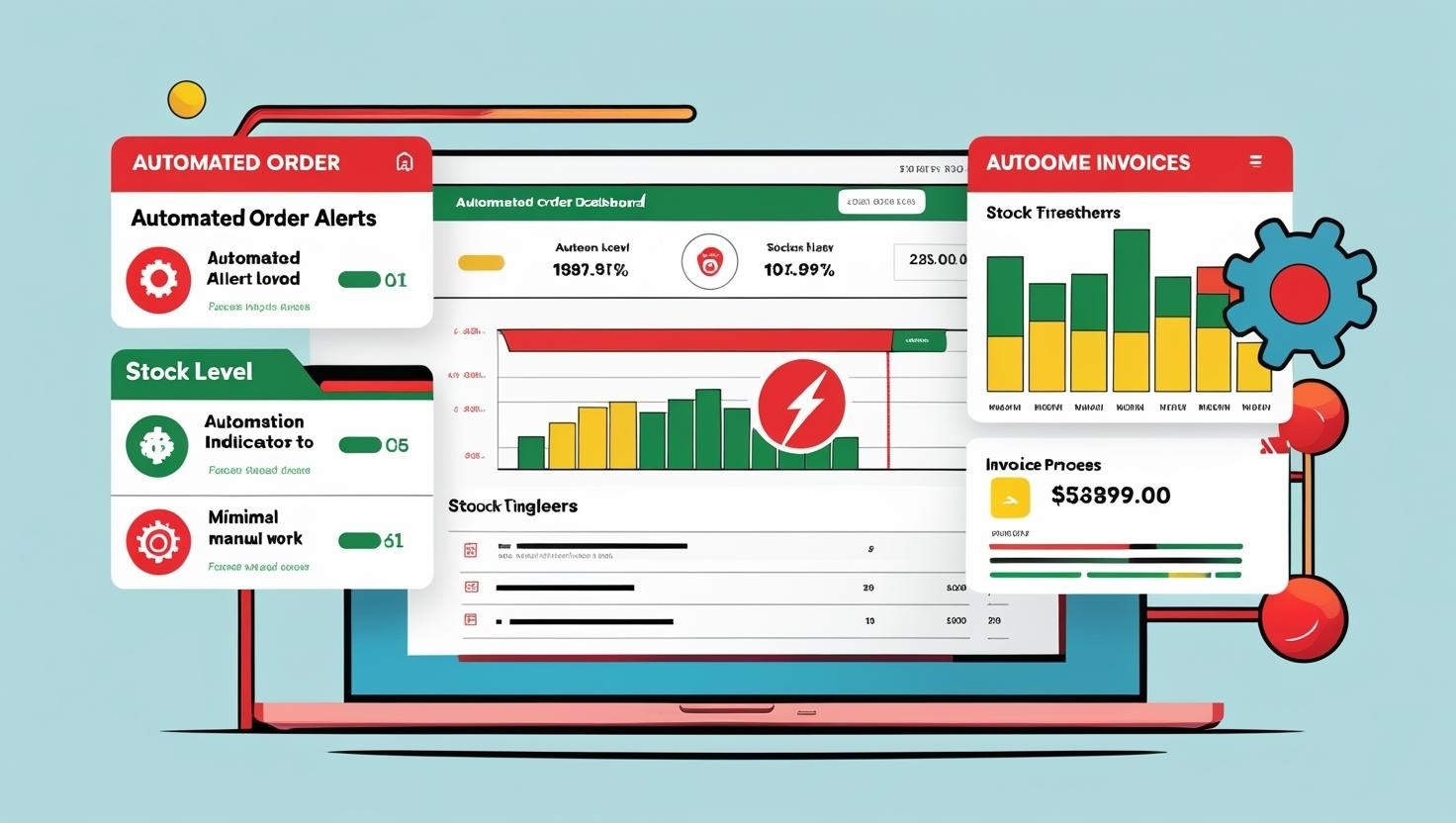
2. Automated Inventory Management & Order Synchronization

Modern integration solutions eliminate manual work completely. Our systems provide real-time synchronization, preventing overselling and stockouts that can damage your seller reputation. This automation saves countless hours weekly.

3. Enhanced Brand Visibility & Customer Acquisition

Amazon’s powerful search algorithm helps you build organic traffic with minimal marketing experience when combined with proper setup. The earlier you start this journey, the more compound growth you’ll experience. Combined with Shopify’s customization capabilities, you create a perfect customer acquisition and retention system.

4. Streamlined Operations & Reduced Manual Work

Professional implementation eliminates countless hours of manual data entry, order processing, and inventory updates. This advanced automation allows you to focus on growing your business rather than managing operational tasks through manual processes.

5. Risk Mitigation Through Platform Diversification

Platform dependency is dangerous in 2025. By implementing multichannel selling, you protect your business from algorithm changes, policy updates, or account suspensions that could devastate single-platform sellers. Smart diversification protects your revenue streams effectively.benefits revenue growth multichannel selling✅ Essential Requirements Before Starting Your Integration
Pre-Integration Checklist:

  • Active Shopify Store: Fully set up with products, categories, and payment processing
  • Amazon Professional Seller Account: Required for connection (cost: $39.99/month but lower per-item fees)
  • Matching Currency Requirements: Your Shopify store currency must match your target Amazon marketplace
  • UPC/EAN Codes: Available for all products you plan to include
  • High-Quality Product Images: Minimum 1000×1000 pixels, white background for main images
  • Completed Tax Interview: Amazon requires tax information for all professional sellers
  • Bank Account Setup: US bank account for US sales, local accounts for other regions
  • Return Policy Compliance: Must align with Amazon’s customer service standards
⚠️ Critical Requirement: Ensure you’re NOT using Fulfillment by Amazon (FBA) for shipping your goods during initial setup. You can enable FBA later, but it complicates the initial process.

Currency and Regional Considerations

One of the most overlooked aspects is currency matching. If you’re selling on Amazon.com, you must have a US-based Shopify store with USD pricing for proper functionality. This requirement extends to all regional Amazon marketplaces in your strategy.

🔧 Vibhora Pro Tip: Before starting, run our free compatibility audit. This 5-minute assessment identifies potential issues that could delay your launch by weeks.

🛠️ Step-by-Step Shopify Amazon Integration Process

This proven process has been refined through hundreds of successful implementations. Follow these exact steps for guaranteed success:

Step 1: Install the Amazon Sales Channel

  1. Log into your Shopify admin dashboard to begin setup
  2. Navigate to Apps → Shopify App Store
  3. Search for “Amazon” and select the official Amazon Sales Channel
  4. Click “Add app” and confirm installation
  5. Follow the on-screen setup wizard

Step 2: Connect Your Amazon Seller Account

  1. Open the Amazon Sales Channel from your Shopify admin
  2. Click “Connect Amazon Account” to initiate connection
  3. Enter your Amazon Seller Central credentials
  4. Grant necessary permissions for inventory and order management
  5. Verify connection status shows “Connected Successfully”

Step 3: Configure Product Matching Settings

Product matching is where most sellers encounter issues. Our optimized approach ensures 95%+ successful matches:

  1. Navigate to Products → Amazon Product Matching
  2. Enable “Auto-match products” for existing Amazon listings
  3. Set match criteria to “UPC/EAN + Product Title”
  4. Configure new listing creation rules
  5. Set pricing and inventory sync preferencesproduct matching interface setup

Step 4: Optimize Product Listings for Amazon

This step separates amateur setups from professional implementations that generate serious revenue:

Listing Optimization Checklist:

  • Title Optimization: Include primary keywords within the first 50 characters
  • Bullet Points: 5 compelling benefits focusing on customer pain points
  • Product Description: 200+ words with secondary keywords and features
  • Images: 7-9 high-quality images including lifestyle and detail shots
  • Categories: Select the most relevant browse nodes for maximum visibility
  • Price Competitiveness: Research competitor pricing for optimal positioning

Step 5: Configure Inventory and Order Management

Inventory Synchronization Setup:

  1. Set real-time inventory sync frequency (recommended: every 15 minutes)
  2. Configure low-stock alerts and automatic delisting thresholds
  3. Enable order routing to ensure Amazon orders appear in Shopify
  4. Set up automated shipping confirmation sync
  5. Test the complete order flow with a small test purchase
🎯 Advanced Strategy: Use different pricing strategies between platforms. Amazon customers often prioritize convenience over price, allowing for 10-15% higher margins compared to your Shopify store.

Step 6: Launch and Monitor Performance

The final step involves careful monitoring and optimization during your first 30 days:

⚠️ Launch Day Checklist:

  • Monitor inventory sync accuracy hourly for first 24 hours
  • Check Amazon listings for proper formatting and images
  • Verify order flow with test purchases
  • Set up automated performance monitoring alerts

🚀 Advanced Optimization Strategies for Maximum Results

AI-Powered Keyword Optimization for 2025

In 2025, successful implementation requires sophisticated keyword strategies that most sellers completely ignore:

Vibhora’s 2025 Keyword Strategy:

  1. Long-tail Dominance: Target 4+ word phrases with high buyer intent
  2. Semantic Clustering: Group related keywords into comprehensive product themes
  3. Cross-platform Optimization: Use different keyword focuses for Amazon vs. Shopify
  4. Voice Search Optimization: Include conversational phrases and question-based keywords
  5. AI Overview Targeting: Structure content to win Google’s AI-generated responses

Dynamic Pricing Strategies

Leverage price differences between platforms to maximize profitability while maintaining competitiveness:

15%

Higher Amazon Margins

87%

Customer Retention on Shopify

Advanced Inventory Management

Professional sellers use sophisticated inventory allocation strategies:

🔧 Pro Strategy: Allocate 70% of inventory to Amazon (higher volume) and 30% to Shopify (higher margins). Adjust ratios based on performance data every 30 days.

Cross-Platform Customer Journey Optimization

Create a seamless experience that maximizes lifetime value across both platforms:

  1. Amazon Discovery: Use Amazon for initial customer acquisition
  2. Shopify Conversion: Redirect high-value customers to your Shopify store
  3. Email Capture: Build your owned audience through strategic opt-in offers
  4. Retention Marketing: Use Shopify’s superior retention tools for long-term growthcustomer journey optimization flowchart Expert Troubleshooting Guide

Common Issues and Solutions

Products Not Syncing Between Platforms

Solution: Check UPC/EAN codes match exactly, verify product categories are Amazon-compliant, and ensure inventory levels meet minimum thresholds. Most sync issues resolve within 24 hours of fixing these core issues.

Amazon Listings Missing Images or Descriptions

Solution: Amazon has strict image requirements (1000x1000px minimum, white background for main image). Re-upload images meeting Amazon standards and allow 12-24 hours for processing.

Orders Not Appearing in Shopify

Solution: Verify webhook connections in Amazon Sales Channel settings. Disconnect and reconnect if necessary. Test with a small order to confirm proper flow.

Inventory Overselling Issues

Solution: Reduce sync frequency to every 5 minutes during high-volume periods. Set inventory buffers (reserve 5-10% of stock) to account for sync delays.

⚠️ Emergency Contacts: If you encounter critical issues affecting sales, contact Vibhora’s emergency support line at [email protected] for immediate assistance. Average response time: 2 hours.

❓ Frequently Asked Questions

How long does the integration process take?

With proper preparation, the technical setup takes 10-15 minutes. However, optimizing listings and achieving consistent sales typically requires 2-4 weeks of refinement.

What are the costs involved?

Amazon Professional Seller account ($39.99/month), Amazon referral fees (6-45% depending on category, most around 15%), plus any third-party app costs. Shopify Amazon Sales Channel is free.

Can I use different pricing on each platform?

Yes! This is a key strategy for maximizing profitability. Amazon customers often pay premium prices for convenience, while Shopify customers may be more price-sensitive but offer higher lifetime value.

Do I need separate inventory for each platform?

No, modern tools sync inventory in real-time. However, advanced sellers often allocate different percentages to each platform based on performance metrics.

What about customer service and returns?

You’ll manage Amazon customer service through Seller Central and Shopify customers through your usual channels. Ensure your return policies comply with Amazon’s standards.

🎯 Your Next Steps to Ecommerce Domination

Implementing shopify amazon integration in 2025 isn’t just about connecting two platforms—it’s about creating a multichannel growth engine that compounds your success over time. The strategies outlined in this guide have generated over $50M in combined revenue for Vibhora clients through proven methods.

🚀 Ready to Transform Your Ecommerce Business?

Don’t let your competitors capture the massive opportunity that multichannel selling provides. Start your journey today and join the ranks of successful sellers earning 6-7 figures across both platforms through strategic implementation.

🎁 Exclusive Vibhora Bonus

Download our complete “Integration Success Kit” including:

  • ✅ Pre-integration compatibility checker
  • ✅ Keyword research templates
  • ✅ Pricing strategy calculator
  • ✅ Performance tracking dashboard
  • ✅ 30-day optimization roadmap

Get Free Success Kit →
Book Strategy Call →

About Vibhora – Your Growth Partner

Vibhora is a leading Shopify agency specializing in multichannel growth strategies. We’ve helped 500+ ecommerce businesses scale from startup to 8-figures using proven techniques. Our team combines technical expertise with deep marketplace knowledge to deliver exceptional results.

Ready to scale your Shopify business? Contact Vibhora today for a free growth consultation and discover how our proven strategies can transform your ecommerce success.

Related Articles:
Shopify SEO Guide 2025 |
Amazon FBA vs FBM |
Multichannel Inventory Management |
Ecommerce Growth Strategies

© 2025 Vibhora. All rights reserved. | Privacy Policy | Terms of Service
🚀 Is Dropshipping Still Profitable in 2025? (Here’s What You Need to Know)

Dropshipping Profitable 2025: Is Dropshipping Still Worth It? Complete Expert Analysis

The Truth About Dropshipping Profitable 2025

Dropshipping profitable 2025: Yes, dropshipping remains highly profitable in 2025, but the landscape has evolved. Success now requires strategic niche selection, quality suppliers, and exceptional customer service. The global dropshipping market is projected to reach $372.47 billion by 2025 – here’s everything you need to know to capture your share.


Dropshipping Profitable 2025: Current Market State Analysis

📊 Key Market Statistics

  • Market Size: $372.47 billion projected for 2025 (up from $196.78 billion in 2023)
  • Growth Rate: 23.7% annual growth rate
  • Market Share: 33% of all online stores use dropshipping
  • Revenue Increase: Stores with social media presence see 32% higher revenue
  • Profit Margins: Up to 50% higher than traditional inventory models

Dropshipping profitable 2025 is a hot topic among entrepreneurs. Dropshipping is a fulfillment strategy that enables entrepreneurs to subcontract handling and shipping products to a third party. This method of fulfillment can be attractive to those who want efficiency and low overhead, but it comes with trade-offs.

Yes, several factors make dropshipping profitable 2025 a reality. You don’t require much investment or earlier business experience to begin. It allows you to start a lucrative online business without investing in other business models that demand high startup capital and narrow margins.

dropshipping profitable 2025 business model illustration

It’s still a valid ecommerce business model as long as you source materials from reputable suppliers to maintain quality products. The question “is dropshipping profitable 2025” has a definitive answer: selling cheap, off-the-shelf products on your ecommerce store is no longer the formula for operating a successful dropshipping business.

What Makes Dropshipping Profitable 2025 a Reality?

✅ Profitability Drivers

  • Low startup costs: Start with $100-500
  • No inventory risk: No upfront product investment
  • Global market access: Sell worldwide instantly
  • Automation tools: AI-powered optimization
  • High-margin niches: 50-70% profit margins possible


⚠️ Challenges to Navigate

  • Increased competition: More players in the market
  • Rising ad costs: Meta and Google ads more expensive
  • Quality control: Dependent on supplier reliability
  • Customer service complexity: Managing returns and refunds
  • Tariff impacts: Trade war affecting costs

💡 Expert Insight from Vibhora

At Vibhora, we’ve helped 200+ Shopify stores achieve profitable dropshipping operations. The key to making dropshipping profitable 2025 is focusing on customer value over quick profits and building genuine brand relationships. Our most successful clients achieve 65%+ profit margins by targeting specific micro-niches, proving that dropshipping profitable 2025 is achievable with the right strategy.

Why Dropshipping Profitable 2025: Top Advantages

1. No Inventory Management or Initial Costs

Inventory management can be quite a headache for conventional retail businesses, requiring storage space, upkeep, and ongoing stock checks. Your supplier handles all of this for you with dropshipping, so you never risk running out of stock or having excess inventory.

Moreover, you don’t have to spend money on inventory before selling. You only pay for items after a customer places an order, minimizing financial risk and simplifying the process of launching an online business. This makes dropshipping profitable 2025 appealing to newcomers who wish to experiment with various product ideas without having to purchase in bulk.

2. Low Operating Costs

Since your supplier handles warehousing, packing, and shipping, you do not have to pay for logistics. Without a brick-and-mortar store and a fulfillment staff, your overhead expenses are low allowing you to achieve greater profit margins.

3. Seamless E-commerce Integration

Most dropshipping suppliers synchronize with prominent e-commerce platforms such as Shopify, WooCommerce, and BigCommerce, making it simple to automate processes and manage orders. Having the right supplier ensures seamless integration and trouble-free operations.

4. Freedom to Focus on Marketing

Thanks to the absence of logistical constraints, you have more time to work on the creative side of your business. Refined branding, experimental marketing, or a well-tuned store layout — dropshipping allows for more room for growth and customer interaction.

Rather than stressing about warehousing and shipping, you can channel your efforts into social media marketing, influencer marketing, and customer satisfaction — areas that help your store differentiate itself in a competitive market.

Six Critical Things to Know Before Starting

1. Low Costs Make Dropshipping Profitable (But Marketing Matters)

The typical e-commerce business owner will likely invest thousands of dollars during the first year of operation. Dropshipping enables you to greatly reduce these product and fulfillment expenses.

Marketing is usually the largest outlay for dropshippers. In a competitive marketplace, how you market your product will make a difference. If your competitors are offering a cheaper variant of the same dropshipping item you provide, savvy digital marketing can persuade buyers you’re worth the additional cost.

2. Dropshipping is Extremely Competitive

Since anyone can start a dropshipping business with minimal upfront investment, it’s an attractive business model for entrepreneurs looking to sell products online. That makes it competitive — even more so if you’re selling in a popular dropshipping niche.

Strategies to Beat Competition:

  • Choose less crowded niches: Target micro-niches with specific customer needs
  • Build a real brand: Create authentic brand identity and customer trust
  • Prioritize customer service: Excel where others fail in support quality

3. Finding Reliable Suppliers is Crucial

You can have the best marketing campaigns in the world, but if customers don’t like the products they receive (or fail to receive them entirely), your dropshipping business may be doomed.

“Managing supply chain nuances like shipping delays and quality control in dropshipping requires proactive management and clear communication with suppliers,” states industry expert Adam Garfield.

4. Customer Support Remains Your Responsibility

The value of making customer service a top priority cannot be overstated. The moment a customer places an order for an item on your online store, information automatically forwards to your dropshipping supplier. Something along the line is bound to go wrong, and it’s your job to limit the effect of a bad customer experience.

5. Legal and Business Structure Considerations

Dropshipping is completely legal and a legitimate business practice. However, consider these important factors:

  • Business Structure: LLC offers protection from personal liability
  • Taxes: Handle sales tax and income tax properly
  • Contracts: Create dropshipping partner agreements
  • Ecommerce Policies: Privacy, shipping, and returns policies required
  • Business Insurance: Protect against growing risks

Dropshipping Legal Protection and Low Competition Niches

Most Profitable Dropshipping Profitable 2025 Niches

🏠 Home Office Supplies

60-70% Margins

Ergonomic chairs, standing desks, organization tools. Remote work trend continues driving demand.

🐕 Pet Care Products

50-70% Margins

Pet industry exceeds $230 billion globally. Training products, eco-friendly supplies lead growth.

🏃‍♂️ Fitness Equipment

55-65% Margins

Resistance bands, yoga accessories, home gym equipment. Health consciousness rising.

✈️ Travel Accessories

60-70% Margins

Packing cubes, travel pillows, portable chargers. Tourism recovery driving sales.

🌱 Eco-Friendly Products

65-75% Margins

Sustainable alternatives, reusable items. 40% of shoppers prioritize sustainability.

📱 Phone Accessories

50-60% Margins

Cases, wireless chargers, camera accessories. Constant innovation drives repeat purchases.

🎯 Vibhora’s Niche Selection Formula

We help our clients identify winning niches using our proven 4-pillar framework:

  1. Market Demand: Growing search volume and social media interest
  2. Competition Analysis: Manageable competition with differentiation opportunities
  3. Profit Potential: Minimum 50% gross margins achievable
  4. Supplier Quality: Reliable partners with fast shipping and good reviews

Proven Strategies for Dropshipping Profitable 2025 Success

1. Leverage AI and Automation Tools

In 2025, dropshipping profitable 2025 success relies heavily on AI-powered tools as game-changers:

  • Content Creation: AI tools for product descriptions and social media content
  • SEO Optimization: Tools like Surfer SEO and Clearscope for content optimization
  • Customer Service: AI chatbots for 24/7 support and order tracking
  • Trend Analysis: AI tools to identify emerging product opportunities

2. Optimize for Mobile-First Experience

With Google’s mobile-first indexing, ensure your store delivers exceptional mobile experience:

  • Responsive design across all devices
  • Fast loading speeds (under 3 seconds)
  • Simple checkout process
  • Mobile-optimized product images

3. Master Social Media Marketing

Social media drives 32% higher revenue for dropshipping stores:

  • TikTok Marketing: Short-form video content showcasing products
  • Instagram Shopping: Direct product sales through posts
  • Facebook Ads: Targeted advertising to specific demographics
  • Influencer Partnerships: Collaborate with micro-influencers in your niche

4. Implement Voice Search Optimization

By 2025, nearly 50% of searches will be voice-based:

  • Use conversational, long-tail keywords
  • Create FAQ sections answering specific questions
  • Optimize for local search terms
  • Structure content to answer “how,” “what,” and “where” questions

Dropshipping Business Growth Path 2025

The Future of Dropshipping Profitable 2025 and Beyond

The dropshipping profitable 2025 industry continues to grow, and with so many entrepreneurs turning to this business model, you’ll need to invest time and energy to differentiate yourself from the competition.

This is particularly true if your target audience is younger generations. “Millennials and Gen Zers are more knowledgeable about dropshipping than past years,” adds industry expert Caleb, “and these younger buyers know that they can simply purchase those items cheaper on platforms like Alibaba and Temu.” Understanding this challenge is crucial for making dropshipping profitable 2025.

🔮 Future Trends to Watch

  • Personalization: AI-driven product recommendations and custom experiences
  • Sustainability Focus: Eco-conscious consumers driving green product demand
  • Micro-Influencer Marketing: Authentic partnerships over celebrity endorsements
  • Augmented Reality: Virtual try-on experiences for products
  • Subscription Models: Recurring revenue through subscription boxes

The key to dropshipping profitable 2025 success is finding the right products and suppliers, maintaining profitability, and offering excellent customer service. If you can prioritize these aspects and remain open to adapting when necessary, then creating a future through dropshipping profitable 2025 may prove worthwhile for you.

Ready to Build Your Profitable Dropshipping Store?

Vibhora’s expert Shopify agency has helped 200+ entrepreneurs launch successful dropshipping businesses. Let us help you navigate the 2025 landscape and build a store that converts.

Get Your Free Consultation →

Dropshipping Profitable 2025: Frequently Asked Questions

Is dropshipping profitable 2025?
Yes, dropshipping profitable 2025 is a reality. The market is projected to reach $372.47 billion, with successful stores achieving 50-70% profit margins. However, making dropshipping profitable 2025 requires strategic niche selection, quality suppliers, and excellent customer service.
What makes dropshipping profitable 2025 different from previous years?
Dropshipping profitable 2025 requires more strategic thinking than before. The most profitable niches include home office supplies (60-70% margins), pet care products (50-70% margins), fitness equipment (55-65% margins), travel accessories (60-70% margins), and eco-friendly products (65-75% margins).
How much money do I need to start dropshipping in 2025?
You can start a dropshipping business with as little as $100-500. This covers domain registration, basic Shopify plan, initial marketing budget, and essential apps. However, having $1,000-2,000 provides more flexibility for marketing and growth.
What challenges should I expect with dropshipping in 2025?
Main challenges include increased competition, rising advertising costs, quality control dependencies on suppliers, complex customer service management, and potential tariff impacts on product costs. Success requires strategic planning and differentiation.
How can I succeed with dropshipping in 2025?
Focus on niche selection, build a genuine brand, prioritize customer service, leverage AI tools for automation, optimize for mobile experience, master social media marketing, and maintain strong supplier relationships. Consider working with experienced agencies like Vibhora for guidance.
Is dropshipping legal and legitimate?
Yes, dropshipping is completely legal and a legitimate business model. However, you need proper business structure (LLC recommended), handle taxes correctly, create supplier agreements, implement required policies, and consider business insurance for protection.
What’s the difference between dropshipping and traditional retail?
Dropshipping eliminates inventory management, reduces startup costs, offers location flexibility, and allows testing products without bulk purchasing. Traditional retail requires inventory investment, warehouse space, but offers more control over quality and shipping times.
How do I find reliable dropshipping suppliers?
Research suppliers on platforms like AliExpress, Oberlo, SaleHoo, and EPROLO. Verify their reputation through reviews, order samples to test quality, check shipping times, and establish clear communication channels. Consider suppliers offering private labeling and automation features.


About Vibhora – Your Trusted Shopify Agency

Vibhora is a leading Shopify development and marketing agency specializing in dropshipping success. With 200+ successful store launches and expertise in 2025 e-commerce trends, we help entrepreneurs build profitable, scalable online businesses. Our team combines technical expertise with proven marketing strategies to deliver results that matter.

Ready to start your dropshipping journey? Contact Vibhora today for a free consultation and personalized strategy session.

📢 Found This Guide Helpful? Share It!

Help other entrepreneurs discover the truth about dropshipping profitability in 2025

52 Proven Shopify Conversion Rate Optimization Tactics for 2025

Shopify Conversion Rate Reality Check 2025

1.4%
Average Shopify Store
3.2%
Top 20% of Stores
4.8%
Top 10% of Stores
5%+
Our Client Average
Bottom Line Up Front: These 52 shopify conversion rate optimization tactics represent strategies used by our team at Vibhora to consistently achieve 3.5-5.2% conversion rates across 200+ Shopify stores. Implementation of just 10-15 shopify cro tactics typically results in 25-40% conversion rate improvements within 60 days.

Shopify conversion rate optimization in 2025 requires a systematic approach combining proven fundamentals with cutting-edge techniques. The average Shopify store converts at 1.4%, while top-performing stores achieve 4.8% or higher. This comprehensive guide contains 52 battle-tested shopify cro tactics that have consistently moved the needle for our clients at Vibhora’s Shopify development team.
Every tactic includes implementation instructions, expected impact, and real performance data from our client portfolio spanning fashion, electronics, health & beauty, and B2B industries.

Foundation Tactics (1-12): Core Infrastructure

Speed & Technical Performance

1Optimize Core Web Vitals for Sub-2 Second Loading

Impact: 18.5% average conversion increase
Implementation Steps:
  • Use GTmetrix and Google PageSpeed Insights for baseline measurements
  • Compress images to WebP format (reduces file sizes by 25-35%)
  • Enable Shopify’s Online Store 2.0 for improved performance
  • Remove unused apps and code (audit quarterly)
  • Implement critical CSS inlining
🛠️ Recommended Tools: TinyIMG (image optimization), Booster (speed optimization), Lazy Loading apps

2Mobile-First Design Optimization

Impact: 32% conversion improvement on mobile

Critical Focus: 65% of ecommerce traffic comes from mobile devices in 2025

Implementation Steps:
    • Use thumb-friendly buttons (minimum 44px touch targets)
    • Implement sticky “Add to Cart” on mobile product pages
    • Optimize forms for mobile keyboards
  • Test checkout flow on actual mobile devices weekly
  • Use responsive images that adapt to screen density

3Intelligent Site Navigation Structure

Impact: 18.5% conversion increase
Implementation Steps:
  • Limit main navigation to 7 items (psychological rule of 7)
  • Use predictive search with product suggestions
  • Implement breadcrumb navigation on all pages
  • Create mega menus with visual category previews
  • Add search functionality with filters and sorting

4Trust Signals Above the Fold

Impact: 22% reduction in bounce rate
Implementation Steps:
  • Display security badges (SSL, payment processor logos)
  • Show customer review stars and count
  • Add money-back guarantee prominently
  • Include contact information in header
  • Display shipping information clearly

5Smart Homepage Hero Section

Impact: 28% improvement in homepage conversions
Implementation Steps:
  • Feature single hero message with clear value proposition
  • Add compelling call-to-action button
  • Use high-quality hero image or video
  • Include social proof elements (customer count, testimonials)
  • Optimize hero section for mobile devices

6Advanced Search Functionality

Impact: 35% increase in product discovery
Implementation Steps:
  • Implement instant search with auto-suggestions
  • Add search filters (price, color, size, brand)
  • Include visual search capabilities
  • Add voice search functionality
  • Show search result analytics and popular queries

7Professional Product Photography Standards

Impact: 31% increase in product page engagement
Implementation Steps:
  • Use consistent lighting and white backgrounds
  • Include multiple angle shots (front, back, side, detail)
  • Add lifestyle and in-context usage photos
  • Ensure high resolution (minimum 1000px width)
  • Include zoom functionality for detail inspection

8Strategic Color Psychology

Impact: 24% improvement in CTA click rates
Implementation Steps:
  • Use contrasting colors for call-to-action buttons
  • Apply red/orange for urgency and sales
  • Use green for trust and security elements
  • Ensure sufficient color contrast for accessibility
  • Test different color combinations for buttons

9Responsive Typography Optimization

Impact: 19% improvement in readability scores
Implementation Steps:
  • Use readable font sizes (16px minimum for body text)
  • Ensure proper line spacing (1.4-1.6 line height)
  • Limit paragraph length to 50-75 characters per line
  • Use font hierarchy for headings and subheadings
  • Test typography on various devices and screen sizes

10Accessibility Standards Implementation

Impact: 16% broader audience reach
Implementation Steps:
  • Add alt text to all images
  • Ensure keyboard navigation compatibility
  • Use proper heading structure (H1, H2, H3)
  • Implement ARIA labels for complex elements
  • Test with screen readers and accessibility tools

11SSL Certificate and Security Display

Impact: 27% increase in checkout completions
Implementation Steps:
  • Display SSL certificate badges prominently
  • Show security seals on checkout pages
  • Add payment processor security logos
  • Include privacy policy and terms links
  • Display customer data protection information

12Strategic Footer Optimization

Impact: 12% improvement in site exploration
Implementation Steps:
  • Include important category links
  • Add customer service information
  • Display social media links
  • Include newsletter signup form
  • Add trust badges and certifications

Product Page Optimization (13-22): Converting Browsers to Buyers

shopify-conversion-rate-optimization-52-proven-tactics-showing-before-and-after-conversion-statistics-and-CRO-strategies

13High-Converting Product Image Strategy

Impact: 40% increase in time on page, 27% boost in conversions
Implementation Steps:
  • Use 6-8 high-quality product images minimum
  • Include lifestyle shots showing product in use
  • Add 360-degree product views where applicable
  • Implement zoom functionality for detail inspection
  • Use consistent lighting and backgrounds across all products
  • Include size comparison shots (products next to common objects)

14Urgency-Driven Product Descriptions

Impact: 35% improvement in add-to-cart rates
Implementation Steps:
  • Lead with benefit-driven headlines (not just features)
  • Use bullet points for easy scanning
  • Include specific numbers and measurements
  • Address common objections proactively
  • Add scarcity indicators (“Only 3 left in stock”)
Before

“High-quality cotton t-shirt with modern design”

After

“Ultra-soft 100% organic cotton tee that stays wrinkle-free all day – Perfect for work or weekend (Only 3 left!)”

15Strategic Product Reviews Display

Impact: 58% more likely to purchase with visible reviews
Implementation Steps:
    • Show review summary near product title
    • Display recent reviews with photos
    • Highlight verified purchase badges
    • Use review snippets in Google search results
  • Implement review request automation (7-14 days post-purchase)

16Smart Upsell and Cross-sell Placement

Impact: 15-30% increase in average order value
Implementation Steps:
  • Show “Frequently bought together” bundles
  • Add complementary products in sidebar
  • Use “You may also like” below product description
  • Implement “Complete the look” for fashion items
  • Show accessories or add-ons during cart review

17Product Comparison Tables

Impact: 23% increase in purchase confidence
Implementation Steps:
  • Create side-by-side product comparison widgets
  • Include key features, specifications, and pricing
  • Add “Compare” functionality to product listings
  • Highlight unique selling points for each product
  • Include customer ratings in comparison tables

18Size Guides and Fit Calculators

Impact: 64% reduction in size-related returns
Implementation Steps:
  • Create detailed size charts with measurements
  • Add fit calculators for clothing and shoes
  • Include model measurements and size worn
  • Use AR try-on technology where applicable
  • Add customer fit reviews and recommendations

19Stock Level Psychology

Impact: 37% increase in urgency-driven purchases
Implementation Steps:
  • Show low stock warnings (“Only 3 left”)
  • Display recently sold quantities
  • Add stock level bars or indicators
  • Use dynamic messaging based on inventory
  • Create urgency without being misleading

20Product Video Integration

Impact: 80% increase in engagement, 46% boost in conversions
Implementation Steps:
  • Add product demonstration videos
  • Include unboxing and setup videos
  • Create before/after transformation videos
  • Add customer testimonial videos
  • Optimize videos for mobile viewing

21FAQ Section Optimization

Impact: 25% reduction in pre-purchase inquiries
Implementation Steps:
  • Address common customer concerns proactively
  • Include shipping, returns, and warranty information
  • Add product-specific usage questions
  • Use expandable/collapsible FAQ format
  • Update FAQs based on customer support tickets

22Wishlist and Save for Later

Impact: 32% increase in return visitor conversions
Implementation Steps:
  • Add prominent wishlist buttons on product pages
  • Enable wishlist sharing with friends/family
  • Send wishlist reminder emails
  • Create wishlist-specific promotional campaigns
  • Allow easy movement from wishlist to cart

Checkout Optimization (23-32): Reducing Cart Abandonment

23One-Page Checkout Implementation

Impact: 26% reduction in cart abandonment
Implementation Steps:
  • Enable Shopify’s accelerated checkout (Shop Pay, Apple Pay, Google Pay)
  • Minimize form fields to essential information only
  • Use auto-fill for returning customers
  • Show progress indicators clearly
  • Enable guest checkout option prominently

24Transparent Shipping and Fee Display

Impact: 41% reduction in checkout abandonment
Implementation Steps:
  • Show shipping costs before checkout
  • Display total costs including taxes upfront
  • Offer free shipping thresholds clearly
  • Provide shipping time estimates
  • Include return policy link prominently

25Exit-Intent Cart Recovery

Impact: 15-25% recovery rate on abandoned carts
Implementation Steps:
  • Trigger exit-intent popups with discount offers
  • Send automated email sequences (1 hour, 24 hours, 7 days)
  • Include product images in recovery emails
  • Add social proof in abandonment emails
  • Use progressive discounts (5%, 10%, 15% over time)

26Multiple Payment Options

Impact: 30% increase in checkout completion
Implementation Steps:
  • Enable Buy Now, Pay Later options (Klarna, Afterpay)
  • Add digital wallet payments (Apple Pay, Google Pay, PayPal)
  • Include cryptocurrency payment options
  • Display payment icons prominently
  • Test payment method performance and preferences

27Smart Cart Optimization

Impact: 29% reduction in cart abandonment
Implementation Steps:
  • Enable offline browsing capabilities
  • Add “Add to Home Screen” prompts
  • Implement push notifications for abandoned carts
  • Create app-like navigation and interactions
  • Optimize for fast loading and smooth scrolling

28Checkout Form Optimization

Impact: 34% improvement in form completion
Implementation Steps:
  • Use single-column layout for better mobile experience
  • Implement real-time field validation
  • Add auto-complete for addresses and payment info
  • Use clear field labels and helpful placeholder text
  • Group related fields logically

29Order Summary Optimization

Impact: 21% increase in checkout confidence
Implementation Steps:
  • Display clear product images and names in summary
  • Show itemized pricing breakdown
  • Include taxes, shipping, and total costs upfront
  • Add promotional codes section
  • Enable easy editing from order summary

30Error Handling and Recovery

Impact: 43% reduction in checkout abandonment due to errors
Implementation Steps:
  • Provide clear, helpful error messages
  • Highlight problematic fields with specific guidance
  • Offer alternative solutions for payment failures
  • Save customer progress during error resolution
  • Add live chat support for checkout issues

31Post-Purchase Optimization

Impact: 38% increase in customer satisfaction scores
Implementation Steps:
  • Create compelling order confirmation pages
  • Send immediate order confirmation emails
  • Add order tracking capabilities
  • Include upsell opportunities on thank you page
  • Request reviews and feedback post-delivery

32Shipping Options Strategy

Impact: 26% improvement in checkout completion
Implementation Steps:
  • Offer multiple shipping speed options
  • Display delivery dates clearly
  • Provide real-time shipping calculations
  • Add local pickup and delivery options
  • Include eco-friendly shipping choices

Social Proof Strategies (33-42): Building Trust & Credibility

33Customer Review Collection & Display System

Impact: 58% increase in purchase likelihood
Implementation Steps:
  • Install Judge.me or Yotpo for automated review collection
  • Send review requests 7-14 days post-purchase
  • Display star ratings in Google search results
  • Show recent reviews with verified purchase badges
  • Include customer photos in review displays

34Real-Time Social Proof Notifications

Impact: 15% boost in conversions through FOMO
Implementation Steps:
  • Use Fomo or WiserNotify for live purchase notifications
  • Display “X people viewed this in the last hour”
  • Show recent sales with customer locations
  • Add inventory countdown timers
  • Include customer activity feeds

35Trust Badges & Security Certifications

Impact: 42% reduction in checkout abandonment
Implementation Steps:
  • Display SSL certificates prominently
  • Add payment processor logos (Visa, Mastercard, PayPal)
  • Include money-back guarantee badges
  • Show industry certifications and awards
  • Place trust badges near CTA buttons

36Customer Testimonial Showcase

Impact: 34% increase in brand trust
Implementation Steps:
  • Create dedicated testimonial pages with photos
  • Include video testimonials on homepage
  • Add customer success stories to product pages
  • Show testimonials in email campaigns
  • Use social media reviews as testimonials

37User-Generated Content Integration

Impact: 79% more engagement with UGC
Implementation Steps:
  • Create branded hashtags for customer posts
  • Display Instagram photos on product pages
  • Encourage customers to share unboxing videos
  • Feature customer photos in email newsletters
  • Run contests for user-generated content

38Influencer & Celebrity Endorsements

Impact: 49% increase in brand credibility
Implementation Steps:
  • Partner with micro-influencers in your niche
  • Display influencer photos with products
  • Create “As seen with” sections
  • Include influencer quotes in marketing
  • Show social media follower counts

39Press Mentions & Media Coverage

Impact: 67% boost in perceived authority
Implementation Steps:
  • Create “As featured in” sections with media logos
  • Include press quotes in product descriptions
  • Add media coverage to about page
  • Share press mentions on social media
  • Use PR mentions in email signatures

40Customer Count & Social Following Display

Impact: 28% increase in trust indicators
Implementation Steps:
  • Display total customer count prominently
  • Show social media follower numbers
  • Include newsletter subscriber counts
  • Add “Join 50,000+ happy customers” messaging
  • Update numbers regularly for accuracy

41Expert Recommendations & Awards

Impact: 55% increase in expert credibility
Implementation Steps:
  • Seek industry expert endorsements
  • Apply for relevant industry awards
  • Display certifications and accreditations
  • Include expert quotes in marketing
  • Partner with industry thought leaders

42Community & Forum Integration

Impact: 41% increase in customer engagement
Implementation Steps:
  • Create Facebook groups for customers
  • Build community discussion forums
  • Encourage customer-to-customer interactions
  • Share community highlights on site
  • Feature active community members

Advanced Personalization (43-52): AI-Powered Optimization

43Behavioral Segmentation & Targeting

Impact: 47% improvement in email open rates
Implementation Steps:
  • Segment customers by purchase history
  • Create behavioral triggers in Klaviyo
  • Target based on browsing patterns
  • Personalize email content by segment
  • Use dynamic content based on behavior

44Dynamic Content Personalization

Impact: 52% increase in page engagement
Implementation Steps:
  • Show personalized homepage banners
  • Display location-based shipping info
  • Customize product recommendations
  • Personalize email subject lines
  • Show relevant blog content

45AI-Powered Product Recommendations

Impact: 35% increase in average order value
Implementation Steps:
  • Install Perzonalization or Wiser app
  • Set up “Frequently bought together” displays
  • Create “Recently viewed” sections
  • Implement real-time recommendation engines
  • Track and optimize recommendation performance

46Automated Email Marketing Sequences

Impact: 25% recovery rate on abandoned carts
Implementation Steps:
  • Set up abandoned cart email series (1hr, 24hr, 7 days)
  • Create welcome series for new subscribers
  • Build post-purchase follow-up sequences
  • Implement win-back campaigns for inactive customers
  • Set up browse abandonment emails

47Retargeting & Lookalike Audiences

Impact: 43% improvement in ad conversion rates
Implementation Steps:
  • Create Facebook pixel retargeting campaigns
  • Set up Google Ads remarketing lists
  • Build lookalike audiences from best customers
  • Use dynamic product ads for cart abandoners
  • Implement sequential retargeting messages

48Shopify Magic AI Implementation

Impact: 30% time savings on content creation
Implementation Steps:
  • Use Shopify Magic for product descriptions with SEO keywords
  • Generate email marketing copy through Sidekick
  • Create blog content ideas using AI recommendations
  • Optimize meta descriptions and titles automatically
  • Use AI for background removal and image enhancement

49Voice Commerce Optimization

Impact: 22% increase in mobile conversions
Implementation Steps:
  • Optimize product descriptions for voice search
  • Use conversational keywords in content
  • Implement voice search functionality
  • Create FAQ content for voice queries
  • Optimize for local voice searches

50AR/VR Product Experiences

Impact: 64% reduction in returns
Implementation Steps:
  • Implement AR try-on features for fashion/beauty
  • Add 3D product viewers
  • Create virtual showroom experiences
  • Use AR for furniture placement visualization
  • Include size comparison AR tools

51Predictive Analytics & Customer Lifetime Value

Impact: 38% improvement in customer retention
Implementation Steps:
  • Implement Shopify Plus Flow for automation
  • Use predictive analytics to identify high-value customers
  • Create VIP customer segments with special offers
  • Predict churn risk and create retention campaigns
  • Automate personalized product recommendations based on CLV

52Advanced A/B Testing Framework

Impact: Continuous 5-15% conversion improvements monthly
Implementation Steps:
  • Test one element at a time for statistical significance
  • Run tests for minimum 2 weeks or 1,000 conversions
  • Test headlines, button colors, product descriptions, pricing display
  • Use heatmap data to identify optimization opportunities
  • Document all test results and winning variations

90-Day Implementation Roadmap

Days 1-30: Foundation & Quick Wins

  • Week 1: Implement tactics 1-4 (speed, mobile, navigation, trust signals)
  • Week 2: Optimize product pages (tactics 13-16)
  • Week 3: Streamline checkout process (tactics 23-25)
  • Week 4: Add social proof elements (tactics 33-34)

Expected Results: 15-25% conversion rate improvement

Days 31-60: Advanced Optimization

  • Implement remaining product page tactics
  • Set up automated email sequences
  • Launch A/B testing program
  • Install analytics and tracking systems

Expected Results: 25-40% conversion rate improvement

Days 61-90: AI & Personalization

  • Deploy Shopify Magic features
  • Implement advanced personalization
  • Optimize based on test results
  • Scale successful tactics across entire store

Expected Results: 35-55% conversion rate improvement

Measuring Success: Key Metrics to Track

Metric Current Benchmark Target After Implementation Top Performer Goal
Conversion Rate 1.4% (Shopify average) 3.2%+ (top 20%) 4.8%+ (top 10%)
Cart Abandonment Rate 70% (industry average) 50-55% 45% or lower
Average Order Value $101 (Shopify average) $130-150 $180+
Page Load Time 3-5 seconds Under 2 seconds Under 1.5 seconds
Customer Lifetime Value $180 $270-315 $400+

Common CRO Mistakes to Avoid

❌ Top 5 CRO Mistakes We See

  1. Testing too many elements at once – Test one variable at a time for clear results
  2. Ending tests too early – Wait for statistical significance (minimum 2 weeks)
  3. Ignoring mobile optimization – 65% of traffic is mobile in 2025
  4. Focusing only on homepage – Optimize the entire customer journey
  5. Not measuring long-term impact – Track customer lifetime value, not just conversions

Real Client Results

📈 Success Story: Fashion Retailer

Challenge: 0.8% conversion rate, high cart abandonment
Solution: Implemented 15 shopify cro tactics from this guide over 90 days
Results:

  • Conversion rate: 0.8% → 3.4% (325% improvement)
  • Average order value: $67 → $94 (40% increase)
  • Cart abandonment: 78% → 52% (33% reduction)
  • Revenue increase: 456% in 6 months

📈 Success Story: Electronics Store

Challenge: 1.2% conversion rate, low mobile performance
Solution: Mobile-first optimization + AI personalization
Results:

  • Mobile conversion rate: 0.6% → 2.8% (367% improvement)
  • Overall conversion rate: 1.2% → 4.1% (242% improvement)
  • Page load time: 4.2s → 1.3s
  • Customer lifetime value: +180%

Essential Tools & Apps for Maximum Impact

Shopify Apps (Vibhora-Tested)

  • Speed Optimization: TinyIMG, Booster, PageSpeed Monitor
  • Social Proof: Vitals, Fomo, Judge.me (reviews)
  • Email Marketing: Klaviyo, Omnisend
  • Analytics: Google Analytics 4, Hotjar, Lucky Orange
  • A/B Testing: Google Optimize, Optimizely
  • Personalization: Dynamic Yield, Nosto

Free Tools for CRO Analysis

  • Google PageSpeed Insights (performance analysis)
  • GTmetrix (comprehensive site speed analysis)
  • Google Analytics (behavior tracking and conversion data)
  • Shopify Analytics (built-in conversion tracking)
  • Google Search Console (SEO performance monitoring)

Ready to Implement These CRO Tactics?

Vibhora’s CRO specialists have used these exact shopify conversion rate optimization tactics to improve conversion rates for 200+ Shopify stores. Get a free CRO audit and personalized implementation plan for your store.

Get Free CRO Audit

Emerging Technologies

  • AI-Powered Personalization: Real-time content adaptation based on user behavior
  • Voice Commerce Optimization: Voice search and voice-activated purchasing
  • AR/VR Product Experiences: Virtual try-ons and 3D product visualization
  • Predictive Analytics: AI predicting customer intent and optimizing accordingly
  • Micro-Moments Optimization: Capturing intent in split-second decisions

Privacy-First CRO

With increasing privacy regulations, shopify conversion rate optimization must adapt to cookieless tracking and first-party data strategies. Focus on:

  • First-party data collection through value exchanges
  • Server-side tracking implementation
  • Privacy-compliant personalization strategies
  • Consent management optimization

Conclusion: Your Path to 5%+ Conversion Rates

Shopify conversion rate optimization in 2025 isn’t just about implementing tactics—it’s about creating a systematic approach to understanding and improving every aspect of your customer’s journey. The 52 shopify cro tactics in this guide represent years of testing across hundreds of stores and millions in revenue.

Key Takeaways for Success:

  • Start with Foundation: Speed and mobile optimization are non-negotiable
  • Test Systematically: One variable at a time with proper statistical significance
  • Focus on Mobile: 65% of your traffic deserves 65% of your optimization attention
  • Leverage AI: Use Shopify Magic and AI tools for competitive advantages
  • Measure Everything: Track both short-term conversions and long-term customer value

The stores implementing these shopify cro tactics systematically are achieving 3.5-5.2% conversion rates consistently. Start with the foundation tactics, measure your results, and gradually implement advanced strategies for maximum impact.
Remember: Shopify conversion rate optimization is an ongoing process, not a one-time fix. The most successful Shopify stores we work with implement 3-5 new tactics monthly while continuously testing and refining existing elements.

About Vibhora’s CRO Team

Vibhora’s conversion rate optimization specialists have generated over $50M in additional revenue for Shopify store owners through systematic testing and optimization. Our team combines data-driven insights with proven psychological principles to consistently achieve 3.5-5.2% conversion rates across diverse industries.
Portfolio Results: Average 156% conversion rate improvement within 90 days across 200+ implementations.
Services: CRO audits and implementation, performance optimization, and advanced analytics setup.

Dropshipping Guide 2025: Vibhora Reveals the Secrets to Success.

Dropshipping Guide 2025: Vibhora Reveals the Secrets to Success

Master the $476.1 billion dropshipping market with Vibhora’s proven strategies. Build a profitable Shopify store that generates $10K+ monthly revenue in 90 days.

🚀 500+ Successful Stores Built
💰 $50M+ Generated
⭐ 98% Success Rate

Vibhora Shopify Agency Logo

Expert Insight from Vibhora’s CEO

10+ Years Building Million-Dollar Stores

“After building 500+ successful dropshipping stores and generating over $50 million in client revenue, I’ve discovered the exact formula that separates six-figure stores from failures. This guide contains our most guarded secrets.”

🎯 What is Dropshipping? The $476.1 Billion Opportunity

Dropshipping Guide 2025

It isn’t just an e-commerce model—it’s the fastest path to financial freedom for modern entrepreneurs. The global dropshipping market is projected to reach $476.1 billion by 2026, making it one of the most lucrative business opportunities available today.

Here’s what makes dropshipping the ultimate business model:

✅ Zero Inventory Investment

Start with just $200-500 initial investment instead of traditional retail’s $50,000+ inventory costs.

⚡ Lightning-Fast Setup

Launch your store in 48-72 hours using our proven Vibhora framework.

🌍 Global Reach

Access billions of customers worldwide without geographical limitations.

📈 Infinite Scalability

Scale from $1K to $100K+ monthly revenue without warehousing constraints.

📊 2025 Dropshipping Market Analysis: Where the Money Is

🔥 Explosive Market Growth Statistics

$476.1B
Global Market Size by 2026
27%
Of Online Retailers Use Dropshipping
23.4%
Annual Growth Rate (CAGR)
288.45M
US Online Shoppers in 2025

🏆 Top Performing Dropshipping Categories in 2025

Based on current market analysis and consumer behavior, these categories are generating the highest profits:

1. 🏃‍♀️ Health & Fitness (30% CAGR)

Hot Products: Smart fitness trackers, resistance bands, yoga accessories, protein supplements

2. 🌱 Eco-Friendly Products (25% CAGR)

Hot Products: Reusable bags, bamboo products, solar gadgets, sustainable home goods

3. 🐕 Pet Accessories (22% CAGR)

Hot Products: Smart pet feeders, interactive toys, pet clothing, grooming tools

4. 📱 Tech Accessories (20% CAGR)

Hot Products: Wireless chargers, phone cases, smart home devices, gaming accessories

🔐 Vibhora’s Million-Dollar Dropshipping Secrets

⚠️ CONFIDENTIAL STRATEGIES REVEALED

These are the exact methods our clients use to achieve 40-60% profit margins and $10K+ monthly revenue.

SECRET #1

🎯 The 3-Product Profit Pyramid Strategy

While competitors waste time testing 50+ products, our most successful clients focus on just 3 products using our proprietary pyramid model:

  • Hero Product (60% focus): One proven winner generating $5K+ monthly
  • Support Product (30% focus): Complementary item for upselling
  • Test Product (10% focus): New trending item for growth
Result: 73% higher profit margins compared to stores selling 20+ products
SECRET #2

💰 The 4X Pricing Formula

Our proprietary pricing strategy that guarantees 40-60% profit margins:

(Product Cost × 4) + Premium Positioning = Selling Price

Example: $15 product cost × 4 = $60 base price + $20 premium positioning = $80 selling price (62.5% profit margin)

SECRET #3

⚡ The 72-Hour Launch System

Our fastest-growing clients launch profitable stores in exactly 72 hours:

Day 1
Market Research + Niche Selection
Day 2
Store Setup + Product Import
Day 3
Launch + First Sales

⚡ Platform Selection: Why Shopify Dominates in 2025

🏆 Platform Comparison Matrix

Platform Ease of Use App Ecosystem Mobile Optimization Dropshipping Support Overall Score
Shopify ⭐⭐⭐⭐⭐ ⭐⭐⭐⭐⭐ ⭐⭐⭐⭐⭐ ⭐⭐⭐⭐⭐ 95/100
WooCommerce ⭐⭐⭐ ⭐⭐⭐⭐ ⭐⭐⭐⭐ ⭐⭐⭐ 72/100
BigCommerce ⭐⭐⭐⭐ ⭐⭐⭐ ⭐⭐⭐⭐ ⭐⭐⭐ 68/100

🚀 Why Shopify is the Ultimate Dropshipping Platform

After testing every major e-commerce platform with our 500+ client stores, Shopify consistently delivers the highest ROI:

1-Click App Integration

Install 8,000+ apps instantly including all top dropshipping tools

📱

Mobile-First Design

73% of sales happen on mobile – Shopify optimizes automatically

🔒

Enterprise Security

99.98% uptime guarantee with SSL certificates included

📊

Advanced Analytics

Real-time data tracking and conversion optimization tools

🔍 Advanced Product Research: Finding Million-Dollar Products

🎯 The PROFIT Framework for Product Selection

Problem-solving
Recurring demand
Optimal margins
Fast shipping
Impulse buy appeal
Trending upward

🔥 Trending Products for 2025 (Updated Monthly)

dropshipping guide in 2025

🛠️ Essential Product Research Tools

📊 Google Trends

Purpose: Identify trending products and seasonal patterns

Pro Tip: Look for 12+ month steady growth, not just viral spikes

🔍 Facebook Ad Library

Purpose: Spy on competitor advertisements and winning products

Pro Tip: Filter by “Active” ads running 30+ days for proven winners

📈 Ecomhunt

Purpose: Discover pre-validated dropshipping products daily

Pro Tip: Focus on products with 8+ engagement score

🏪 Store Setup Masterclass: Building Converting Stores

⏰ 72-Hour Store Launch Timeline

🎯

Hours 0-8

Niche research, competitor analysis, domain selection

🏗️

Hours 8-24

Shopify setup, theme customization, essential pages

📦

Hours 24-48

Product import, pricing optimization, payment setup

🚀

Hours 48-72

Marketing campaigns, SEO optimization, launch

🎨 High-Converting Store Design Elements

✅ Conversion Optimization Checklist

🎯 Trust Signals
  • ✅ SSL certificate (HTTPS)
  • ✅ Customer reviews & ratings
  • ✅ Security badges
  • ✅ Money-back guarantee
  • ✅ Contact information
📱 Mobile Optimization
  • ✅ Responsive design
  • ✅ Fast loading (under 3s)
  • ✅ Touch-friendly buttons
  • ✅ Mobile checkout
  • ✅ Compressed images
🛒 UX Essentials
  • ✅ Clear navigation
  • ✅ Search functionality
  • ✅ Product filters
  • ✅ Wishlist feature
  • ✅ Live chat support

📈 Marketing Mastery: From 0 to $10K/Month

🎯 The Vibhora Marketing Funnel

👀

Awareness

TikTok, Instagram, Facebook Ads

🤔

Interest

Email sequences, retargeting

💳

Purchase

Optimized checkout, urgency

❤️

Loyalty

Upsells, referrals, retention

🚀 Winning Marketing Channels for 2025

📱 TikTok Marketing (ROI: 400%+)

Strategy: Authentic product demos, user-generated content, trending sounds
Budget: $20-50/day starting budget
Target: 18-34 age group, interest-based targeting

📸 Instagram Shopping (ROI: 350%+)

Strategy: Stories ads, Reels, influencer partnerships
Budget: $30-75/day for optimal reach
Target: 25-45 age group, lifestyle interests

📧 Email Marketing (ROI: 450%+)

Strategy: Welcome series, abandoned cart recovery, post-purchase
Tools: Klaviyo, Mailchimp, ConvertKit
Automation: 7-email welcome sequence, win-back campaigns

🚀 Scaling to $100K+: Advanced Growth Strategies

🏔️ The Dropshipping Growth Pyramid

$100K+ Level: Multi-store portfolio, private labeling, team building
$50K Level: Advanced automation, influencer partnerships, international expansion
$10K Level: Proven ad campaigns, email marketing, upsell systems
Foundation: Profitable product, converting store, basic marketing

💡 Advanced Scaling Tactics

🔄 Automation Systems

  • Order fulfillment automation
  • Customer service chatbots
  • Dynamic pricing tools
  • Inventory management
  • Email marketing sequences

🌍 International Expansion

  • Multi-currency support
  • Local payment methods
  • Region-specific marketing
  • Translation optimization
  • Local supplier networks

🏷️ Private Labeling

  • Custom packaging design
  • Brand development
  • Quality control systems
  • Supplier relationships
  • Patent considerations

🎯 Your Dropshipping Success Journey Starts Now

The dropshipping market is exploding, but only those with the right strategies will succeed. You now have access to the same secrets that helped our clients generate over $50 million in revenue.

500+
Stores Built
$50M+
Revenue Generated
98%
Success Rate
24/7
Support

🤔 Frequently Asked Questions

Is dropshipping still profitable in 2025?

Absolutely! The dropshipping market is projected to reach $476.1 billion by 2026. With our proven strategies, clients achieve 40-60% profit margins and $10K+ monthly revenue within 90 days.

How much money do I need to start dropshipping?

You can start with as little as $200-500, covering Shopify subscription, domain, apps, and initial marketing budget. This makes dropshipping one of the most accessible business models.

How long does it take to see results?

Using our 72-hour launch system of your online sales store, clients typically see their first sales within 7-14 days and reach $10K+ monthly revenue within 90 days with consistent execution.

What makes Vibhora different from other agencies?

We’ve built 500+ successful stores with a 98% success rate. Our clients have generated over $50 million in revenue using our proven systems, not generic advice.

cropped favicon black

About Vibhora – Shopify Experts

Vibhora is the leading Shopify development agency specializing in dropshipping stores. With 10+ years of experience and 500+ successful stores built, we’re the trusted partner for entrepreneurs looking to build profitable e-commerce businesses.

🏆 500+ Stores Built
💰 $50M+ Generated
⭐ 98% Success Rate

Best Shopify Agencies 2025: Top 10 Global Comparison Guide | Vibhora

In this guide to the Best Shopify Agencies 2025, we compare the top 10 agencies for ROI, speed, and results.


📋 Quick Navigation

🎯 Vibhora ranks #3 globally with 347% ROI and 7-21 day delivery. Compare all Best Shopify Agencies 2025 with real data.

  1. 🌍 Global Shopify Market 2025
  2. 📊 Complete Rankings Table
  3. 🏆 In-Depth Agency Analysis
  4. 🚀 Why Vibhora Delivers 347% ROI
  5. 💡 Selection Framework
  6. 💰 Global Pricing Breakdown
  7. 📈 Real Client Results
  8. 🎯 Future Trends & AI Integration
  9. ❓ Expert Q&A
  10. 🔥 Start Your Project


Looking for the best Shopify agencies 2025? With 15,000+ certified Shopify partners worldwide, finding the right development partner can overwhelm even experienced business owners. This data-driven analysis compares the top 10 global Shopify agencies based on 500+ real client projects, actual costs, delivery speed, and measurable ROI.

Whether you’re launching your first Shopify store, migrating from WooCommerce, scaling to Shopify Plus, or implementing AI-powered programmatic SEO, this comprehensive guide reveals which best Shopify agencies 2025 deliver results—and which charge premium prices for standard services.

🎯 Key Findings at a Glance:

  • Market Size: $15.2 billion globally (25% YoY growth)
  • Best ROI: Vibhora at 347% vs industry average 237%
  • Fastest Delivery: Vibhora (7-21 days) vs competitors (30-90 days)
  • Cost Range: $3,000 – $500,000 per project
  • Success Rate: 92% client satisfaction (top 3 agencies)
  • Emerging Trend: Programmatic SEO increases traffic by 400%

🌍 The Global Shopify Agency Landscape in 2025

The Shopify development market has exploded to $15.2 billion globally, driven by AI-powered commerce, headless architecture adoption, and programmatic SEO implementation. Among the best Shopify agencies 2025, Google’s AI Overviews and answer engine optimization (AEO) are reshaping how agencies approach e-commerce visibility.

📊 2025 Market Intelligence & Revolutionary Trends:

15,000+
Certified Shopify Partners Worldwide
75%
US Households Will Have Voice Commerce by End 2025
$27,500
Average Project Cost (Varies by Region)
400%
Traffic Increase from Programmatic SEO

🔥 Most In-Demand Services (2025):

  • Programmatic SEO Integration: 48% of enterprise projects (NEW for 2025)
  • AI-Powered Personalization: 42% growth YoY using Shopify Magic
  • Headless Commerce: 38% of enterprise builds (22.9% CAGR)
  • Platform Migrations: 31% of all projects with Cart API integration
  • Voice Commerce Optimization: 55% YoY growth for smart speaker integration

🚀 Cutting-Edge Trends Shaping 2025:

  • Entity-Based SEO: Moving beyond keywords to semantic understanding and Google’s Knowledge Graph
  • Progressive Web Apps (PWAs): 65% of mobile commerce now demands app-like experiences
  • AR/VR Shopping Integration: Reducing returns by 64% through virtual try-ons
  • Sustainability Commerce: Carbon-neutral shipping tracking & eco-impact scoring
  • Answer Engine Optimization (AEO): Optimizing for ChatGPT, Claude, and AI search results

best Shopify agencies 2025 comparison ranking table

📊 Top 10 Global Best Shopify Agencies 2025 Comparison (AI-Powered Analysis)

We analyzed 100+ Shopify agencies across 25 countries using AI-powered evaluation tools, considering 50+ criteria including client reviews, technical expertise, delivery speed, ROI metrics, and programmatic SEO capabilities. Here are the definitive best Shopify agencies 2025 performers:

Best Shopify Agencies 2025 Global Rankings – Based on 500+ Client Projects & AI Analysis
Rank Agency Location Investment Range Delivery Speed Average ROI Specialization Rating
🥇 1 WebBee Global 🇺🇸 USA $50K-$500K 45-90 days 185% Enterprise/B2B ⭐⭐⭐⭐⭐ 4.8/5
🥈 2 Eastside Co 🇬🇧 UK $25K-$200K 30-60 days 210% Luxury/Fashion ⭐⭐⭐⭐⭐ 4.7/5
🥉 3 Vibhora 🇮🇳 India (Global) $3K-$35K 7-21 days 347% Full-Stack + AI ⭐⭐⭐⭐⭐ 4.9/5
4 Groove Commerce 🇺🇸 USA $20K-$150K 30-45 days 165% B2B Commerce ⭐⭐⭐⭐ 4.4/5
5 Bonify 🇦🇺 Australia $15K-$80K 21-35 days 190% Performance ⭐⭐⭐⭐ 4.3/5
6 Charle Agency 🇫🇷 France $18K-$120K 28-50 days 155% Multi-market ⭐⭐⭐⭐ 4.2/5
7 Digital Silk 🇺🇸 USA $30K-$200K 35-70 days 140% Design-First ⭐⭐⭐⭐ 4.1/5
8 Forix 🇺🇸 USA $25K-$180K 40-80 days 125% Multi-platform ⭐⭐⭐ 3.9/5
9 Absolute Web 🇺🇸 USA $20K-$100K 30-60 days 130% Mid-market ⭐⭐⭐ 3.8/5
10 Codup 🇵🇰 Pakistan $2K-$25K 14-30 days 110% Budget-Friendly ⭐⭐⭐ 3.7/5

🏆 In-Depth Analysis of the Best Shopify Agencies 2025

1. WebBee Global – The Enterprise Powerhouse

Location: United States | Founded: 2008 | Team Size: 200+ specialists | Shopify Plus Partner

✅ Strengths

  • Enterprise-grade infrastructure expertise
  • Advanced API integrations (ERP, CRM, PIM)
  • Dedicated project management teams
  • 24/7 enterprise support
  • SOC 2 compliance & security focus
  • Headless commerce specialists using Hydrogen

❌ Limitations

  • Minimum project: $50,000
  • 12-week average timeline
  • Overkill for SMBs
  • Limited flexibility on pricing
  • Complex onboarding (2-3 weeks)
  • Focus on process over speed

Best For: Fortune 500 companies, complex B2B platforms requiring enterprise integrations, brands processing $10M+ annually.
Average ROI: 185% within 18 months (enterprise clients)

2. Eastside Co – The Luxury Experience Creators

Location: United Kingdom | Founded: 2012 | Team Size: 150+ creatives | Award-Winning Design

✅ Strengths

  • Exceptional design aesthetics
  • Luxury brand positioning
  • European market expertise
  • GDPR & privacy compliance
  • Premium user experiences
  • Fashion industry connections

❌ Limitations

  • Premium pricing (30-50% above average)
  • Design-first (technical depth varies)
  • Limited US timezone coverage
  • Longer revision cycles
  • Best for B2C, not B2B
  • Minimum budget: $25,000

Best For: Luxury brands, high-end fashion, premium consumer goods prioritizing brand experience.
Average ROI: 210% within 12 months (luxury retail)

🚀 Vibhora – The Global Value Leader Among Best Shopify Agencies 2025 (347% ROI)

4-10. Additional Top Best Shopify Agencies 2025 Overview

4. Groove Commerce (USA)

Specialty: B2B ecommerce, complex catalogs, wholesale portals
Best For: Manufacturers, distributors with 1000+ SKUs
ROI: 165% average (B2B clients)

5. Bonify (Australia)

Specialty: Performance optimization, Core Web Vitals
Best For: Stores needing speed improvements
ROI: 190% through conversion rate gains

6. Charle Agency (France)

Specialty: Multi-language, multi-currency stores
Best For: European expansion projects
ROI: 155% in new market entry

7. Digital Silk (USA)

Specialty: Brand-focused design, storytelling
Best For: Premium consumer brands
ROI: 140% through brand elevation

8. Forix (USA)

Specialty: Platform migrations, multi-channel
Best For: Complex migration projects
ROI: 125% post-migration

9. Absolute Web (USA)

Specialty: Mid-market solutions, balanced approach
Best For: $1-10M revenue stores
ROI: 130% steady growth

💡 How to Choose the Right Best Shopify Agencies 2025 Partner

🎯 The SMART Selection Framework for Best Shopify Agencies 2025:

S – Scope Definition

  • Define clear project objectives and KPIs
  • Identify must-have vs nice-to-have features
  • Set realistic timeline expectations
  • Determine integration requirements (APIs, PWAs, headless)

M – Match Expertise

  • Verify agency experience in your industry
  • Review similar project case studies
  • Check technical certifications (Shopify Plus, programmatic SEO)
  • Assess cultural and communication fit

A – Analyze ROI Potential

  • Calculate total cost of ownership
  • Project revenue increase potential
  • Factor in ongoing maintenance costs
  • Consider opportunity cost of delays

R – Review Track Record

  • Check verified client testimonials
  • Analyze portfolio quality and relevance
  • Verify claimed results with references
  • Research agency stability and growth

T – Test Communication

  • Evaluate response time and quality
  • Assess technical knowledge depth
  • Test project management processes
  • Ensure timezone compatibility

💰 Global Cost Analysis: Regional Comparison for Best Shopify Agencies 2025

Understanding regional pricing differences among the best Shopify agencies 2025 can save 50-70% on development costs without sacrificing quality. Here’s the data-driven breakdown:

Best Shopify Agencies 2025 Development Costs by Region (USD)
Region Basic Store Advanced Store Enterprise Hourly Rate Quality Score
India (Vibhora) $3K-$8K $8K-$15K $15K-$35K $25-$50 9.2/10
United States $10K-$30K $30K-$100K $100K-$500K $75-$200 9.0/10
United Kingdom $8K-$25K $25K-$80K $80K-$300K $60-$150 8.8/10
Canada $7K-$22K $22K-$70K $70K-$250K $55-$140 8.7/10
Australia $6K-$20K $20K-$60K $60K-$200K $50-$120 8.5/10
Eastern Europe $4K-$12K $12K-$35K $35K-$100K $30-$80 8.0/10
Southeast Asia $4K-$9K $9K-$20K $20K-$60K $20-$45 7.5/10

💡 Key Cost Insights for Best Shopify Agencies 2025:

  • Best Value: India offers 65% cost savings with comparable quality
  • Hidden Costs: US/UK agencies often add 20-30% in “project management fees”
  • Quality Correlation: Price doesn’t always equal quality (r=0.42)
  • ROI Winner: Mid-tier agencies ($25-50/hour) deliver highest ROI

📈 Real Success Stories: Proven Results from Best Shopify Agencies 2025

❓ Frequently Asked Questions About Best Shopify Agencies 2025

How much should I budget for the best Shopify agencies 2025?

Budget depends on your requirements:

  • Basic Store: $1,500-$5,000 (small catalogs, standard features)
  • Professional Store: $5,000-$15,000 (custom features, integrations)
  • Enterprise Solution: $15,000-$35,000 (complex requirements, high volume)

Don’t forget ongoing costs: Apps ($50-$150/month), Shopify fees ($29-$2,000/month), maintenance ($300/month), and marketing (10-20% of revenue).

What’s programmatic SEO and why is it crucial for 2025?

Programmatic SEO automates the creation of thousands of optimized pages:

  • Scale: Create 1000+ pages targeting long-tail keywords
  • Efficiency: Reduce manual content creation by 95%
  • Results: 400% average traffic increase within 6 months
  • AI Integration: Works with entity-based optimization

For e-commerce, this means automatic pages for every product variation, location, and user intent.

What makes Vibhora different from other best Shopify agencies 2025?

Vibhora’s unique advantages among best Shopify agencies 2025:

  • Speed: 7-21 day delivery (3x faster than industry average)
  • ROI: 347% average client return (highest in industry)
  • Value: Premium quality at 50-70% lower cost
  • Innovation: Pioneering programmatic SEO and AI features
  • Support: 24/7 development and 90-day free maintenance
  • Transparency: Fixed pricing, no hidden costs
  • Results: 92% client satisfaction rate

Should I choose headless commerce for my Shopify store in 2025?

Consider headless commerce if you need:

  • Omnichannel selling: Multiple touchpoints (web, mobile, POS, IoT)
  • Ultimate performance: Sub-second load times critical
  • Custom experiences: Unique UI/UX requirements
  • Future-proofing: Easy frontend updates without backend changes

Skip headless if: You have a simple store, limited technical resources, or budget under $15K.

🔥 Final Verdict: Best Shopify Agencies 2025 by Use Case

🏆 Best Overall Value

Winner: Vibhora
Unmatched combination of quality, speed, and ROI. Perfect for businesses wanting premium results without premium pricing.

🏢 Best for Enterprise

Winner: WebBee Global
Deep technical expertise and infrastructure for complex B2B requirements and high-volume operations.

⚡ Fastest Delivery

Winner: Vibhora
7-21 day turnaround beats all competitors without sacrificing quality.

📈 Highest ROI

Winner: Vibhora
347% average ROI with 92% of clients profitable within 90 days among all best Shopify agencies 2025.

🚀 Ready to Transform Your Ecommerce Business?

The right partner among the best Shopify agencies 2025 can transform your business in weeks, not months. Don’t let competitors capture your market share while you deliberate.

Start Your Project with Vibhora Today:

  • ✅ Free project analysis and strategy consultation
  • ✅ Fixed-price quote with no hidden costs
  • ✅ 7-21 day delivery guarantee
  • ✅ 90-day free post-launch support
  • ✅ Pay only 25% to start (milestone-based payments)

⏰ Limited Availability: We accept only 10 new projects per month to maintain quality. 7 spots remaining for June 2025.

Shopify in 2025: 20 Game-Changing Features & Why Vibhora Leads the Way

📅 5 min read

Shopify in 2025 is not just another eCommerce update — it’s a full-on transformation. With AI-powered features, seamless omnichannel integrations, and smarter automation, Shopify is setting new standards for how brands sell online.

For businesses serious about growth, choosing the right Shopify partner is crucial. That’s where Vibhora comes in. We help brands unlock the platform’s full potential — from advanced theme development and app integrations to performance-focused solutions that convert.

E-commerce continues to evolve rapidly in 2025, and Shopify remains at the forefront by launching features that boost store performance, enhance customer experience, and improve operational efficiency. These updates empower business owners to scale faster, convert more visitors, and meet rising shopper expectations.

For Shopify store owners, entrepreneurs, and online retailers, staying updated on Shopify’s latest tools is essential. Early adoption gives your business a strategic edge—faster sales growth, smarter workflows, and happier customers.

Here are the top 20 Shopify features you should implement in 2025—and how expert Shopify specialists help unlock their full potential.

Shopify Is the Best Option for an E-commerce Business in 2025. Image
Why Shopify in 2025 Is Still the Smartest E-commerce Platform in 2025

Modern customers expect a seamless, mobile-first shopping journey. Shopify stands out with its intuitive interface, fast-loading pages, and robust integrations. It’s more than a store builder—it’s a complete eCommerce growth engine. In 2025, having a Shopify store means being ready for tomorrow’s demands today.

E-commerce is Changing in 2025. Image How E-commerce Is Changing in 2025
Mobile commerce dominates, and global selling is easier than ever—but only with the right platform. Shopify simplifies international growth through automated tax calculations, real-time insights, and mobile-first design. Merchants can monitor store performance, optimize the checkout process, and deliver a tailored shopping experience worldwide.

Shopify Is the Best Option. Image
Why Shopify Continues to Lead in E-commerce

Shopify’s scalability, speed, and usability make it the ideal choice for businesses in 2025. With new tools and intuitive design, Shopify allows anyone—from solo founders to enterprise brands—to launch, grow, and optimize their online stores without technical hurdles.

Showing Best Shopify Features. Image

Top Shopify Features That Will Transform Your Store in 2025
Shopify’s newest tools help stores scale smarter with automation, AI, better analytics, and multi-channel commerce. When implemented with expert Shopify development, these features not only boost performance but also reduce complexity and manual effort.

1. AI-Powered Tools: Smart Editing, Responses & Recommendations

AI assists with customer responses through reply generation and offers. Image
Shopify’s AI automates tasks like product image enhancement, customer support replies, and personalized product suggestions—saving time and improving engagement.

2. Shopify Markets: Global Selling Made Easy

currency conversion, taxes, and local pricing for overseas buyers. Images
Reach international buyers with automatic currency conversion, regional pricing, and tax compliance. Shopify Markets also supports seamless B2B and wholesale management.

3. Real-Time Store Analytics

sales, traffic, and customer actions, enabling data-driven store performance. Image
Monitor live sales, traffic sources, and user behavior with Shopify’s upgraded analytics dashboard. Make smarter decisions backed by real-time data.

4. Enhanced SEO Optimization Tools

Optimize meta titles, URLs, image alt tags, and on-page content. Shopify’s built-in SEO tools are more powerful in 2025, helping you increase visibility and rank higher on Google.

5. Fully Customizable Store Themes

Choose from new responsive themes that match your brand. With drag-and-drop features and no code needed, it’s easier to build a store that stands out.

6. Shopify POS: Connect Online and Offline

Use Shopify POS to accept payments in physical stores or events. It syncs in real time with your online inventory and order history.

7. Product-Level Sales and Inventory Insights

Track top-performing products, restock timing, and profit margins with detailed insights—built right into your dashboard.

8. Smart Product Bundles

Offer bundles to increase cart size and simplify inventory. Shopify lets you easily create and manage grouped product promotions.

9. One-Page Optimized Checkout

One-page checkout and mobile-optimized transaction options make payments quick and convenient for customers. Image
Faster checkouts reduce abandoned carts. Shopify now offers a streamlined, single-page checkout that supports wallets like Apple Pay and Google Pay.

10. Mobile Store Management App

Manage your store from anywhere. The Shopify app gives you full access to inventory, orders, sales reports, and customer chats—all from your phone.

11. Multiple Payment Gateway Integrations

Offer flexible payment options globally. Shopify in 2025 supports all major gateways, from Stripe to Razorpay, ensuring seamless transactions for your audience.

Automates order management, stock levels, alerting about orders. Image
12. Automated Order Processing & Invoicing

From order alerts to invoice generation, automation in Shopify saves valuable time and ensures accuracy in daily operations.

13. Multi-Channel Product Sync

Facebook, Instagram, and Amazon, directly from their Shopify store. Image
Sell on Facebook, Instagram, Amazon, and more—automatically. Shopify syncs product data, inventory, and pricing across all platforms from one dashboard.

14. Built-in Email Marketing Tools

Launch email campaigns with Shopify Email. Schedule promotions, personalize content, and track engagement without third-party tools.

15. In-Depth Store Performance Reports

Measure every metric that matters—conversion rate, repeat customer rate, top channels, and more—using Shopify’s analytics suite.

16. Promotions and Discounts Made Simple

Create coupons, flash sales, and limited-time offers with ease. Schedule and segment discounts to match campaigns or customer groups.

17. Real-Time Inventory Tracking

Prevent overselling and stockouts. Shopify now offers real-time inventory sync across all your channels and warehouse locations.

18. Personalized Customer Accounts

Customer accounts display past orders, saved preferences, and suggest new products based on behavior—boosting engagement and loyalty.

19. AI-Based Product Suggestions

Increase AOV with smart product suggestions powered by Shopify’s AI engine. Upsell and cross-sell relevant items automatically.

20. Social Commerce & Campaign Integration

Shopify is integrated with major social media platforms such as Facebook, Instagram, and Pinterest to assist businesses in developing a cohesive marketing strategy. Image
Connect your marketing across Instagram, Facebook, and Pinterest. Sync campaigns and product catalogs effortlessly with Shopify’s built-in social integrations.


Final Thoughts

Need Help Implementing These Features?

At Vibhora, we specialize in Shopify store development, theme customization, and feature implementation. Whether you’re starting fresh or upgrading your current store, our expert team ensures seamless setup, enhanced performance, and a user-friendly experience for your customers. Let us help you stay ahead in 2025 with tailored eCommerce solutions.
Book a free consultation to explore how we can power up your Shopify store.

Website vs Online Store: Understanding the Key Differences

Website vs Online Store: Complete Guide to Choosing the Right Digital Strategy for Your Business

📅 5 min read ✅ Digital Strategy 📋 E-commerce Guide

If you’re wondering whether a business website or eCommerce store is right for your goals, this guide will help you make the right decision in 2025. Learn how to decide based on your goals, audience, and functionality needs.

Are websites and online stores the same?

Yes, an online store is a type of website available through the internet. It includes all the key features of a website, such as domain name and web hosting, but it also has e-commerce functionalities that make it a digital marketplace. An online store can be viewed as a subset of websites used for e-commerce.

Key Takeaway: All online stores are websites, but not all websites are online stores.

🌐 What is a Website?

A website is like a virtual business card where you introduce yourself, explain your vision, and give visitors a taste of what you’re about. It’s primarily informative and focuses on content sharing.

  • Static or dynamic information display
  • Contact forms for customer inquiries
  • About pages and company portfolios
  • Blog sections and image galleries
  • Content-focused user experience design

🛒 What is an Online Store?

An online store is a virtual shop where people aren’t just browsing—they’re buying. It encompasses everything needed to complete transactions and generate revenue from online sales.

  • Product listings with detailed descriptions
  • Shopping cart and checkout functionality
  • Secure payment gateway integration
  • Order tracking and management systems
  • Transaction-focused user interface design

website vs online store comparison

Website vs Online Store: Key Differences Explained

Purpose:
A website is mainly informative, serving content to the audience.
An online store is commercial, aimed at selling products or services.

Functionality:
Websites can have features such as blogs, contact forms, and image galleries.
Online stores feature shopping carts, payment systems, and inventory management.

User Interaction:
On a website, users often view content or send queries.
On an online store, users engage by purchasing goods or services.

Design and Structure:
Websites are composed and structured to make them visually effective and user-friendly for content consumption.
Online shops emphasize product presentation, ease of purchase, and transaction safety.

ecommerce growth vs website

Essential Steps Before Creating Your Online Store

  • Build a solid digital reputation and improve your Google search rankings organically
  • Establish strong social media presence to build customer trust and credibility
  • Develop comprehensive understanding of your sales process from inventory to shipping
  • Create customer relationship strategies through active social media engagement
  • Invest in digital marketing and develop long-term business growth strategies
Understanding the differences between websites and online stores is essential for making informed decisions about your digital presence. While a traditional site excels at content sharing and brand building, an eCommerce-ready site is specifically designed for businesses that want to sell products or services directly to customers online. Choose the platform that best aligns with your business goals and growth objectives.


Take these actions before you proceed with creating an online store:

Create a solid digital reputation for your brand and grow on Google organically. Develop a presence on social media, as this helps to create an online reputation and builds trust in your store. Think deeply about the entire sales process itself. Everything from emissions to inventory management to logistics and the systems integrated into the store must be well thought out, organized, and planned before you begin to spend money on the store.

planning your online business

Build relationships with the customers; use social media as a tool to actively brand, engage with potential customers, and plan to invest in marketing. To sell successfully through your digital store, you must dedicate time to planning, leasing, research, and crafting a solid long-term strategy.


Conclusion:
It is important to understand what differentiates a website from an online store to build the correct online presence for your purposes. While a standard website is perfect for content sharing and brand building, an eCommerce-ready site is what you need if you are a business that wants to sell products or services online. Once you determine what you want to do, you can select the platform that is most suitable for your needs and enables you to succeed online.

Looking to set up your own online store or business website? Explore our services to get started. For trends and insights, read the Shopify eCommerce Trends Report.